Our military Gun Park has over a dozen exhibits used in coastal defence spanning over 300 years of warfare, as well as a recreation of the Battery Observation Post which would have targeted the guns on Spike Island. It is much loved by military enthusiasts and children alike!
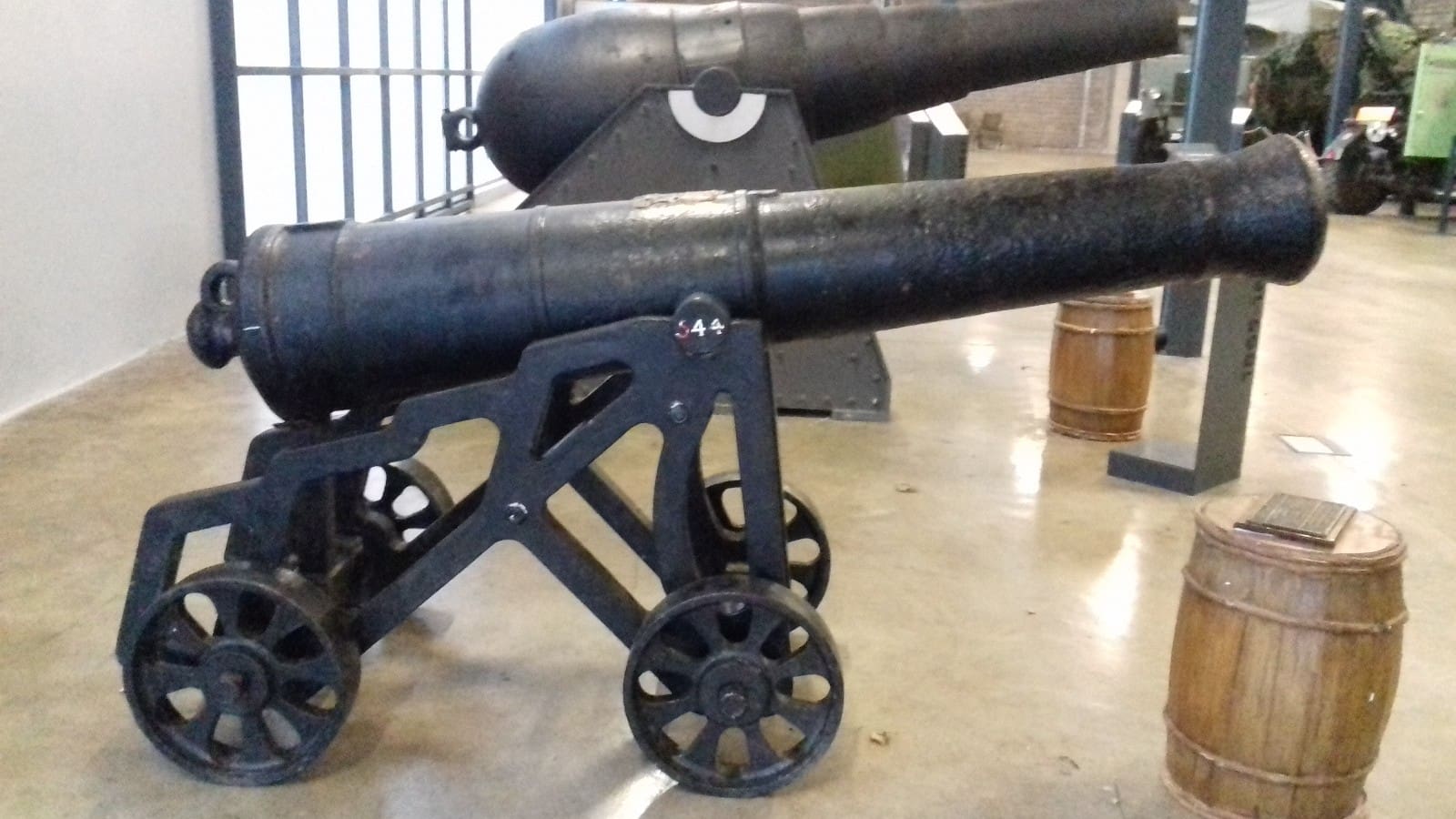
12-pounder SMOOTH-BORE Cannon
 Range: 1,760 yards (1,600 metres)
Manufacturer: Walker & Company, Sheffield, England
Dates in Service: c1760-1800
This 12-pounder muzzle-loading smooth-bore cannon is the earliest example of the guns that were deployed on Spike Island. It fired grapeshot, shrapnel or a cannonball weighing 12 pounds (5.44kg) up to a range of 1,760 yards (1,600m). To load the cannon, a cartridge of gunpowder, followed by a steel ball and lastly, a wad was rammed down the barrel. To fire the cannon, a flame or flint ignited the charge which detonated the gunpowder forcing the cannonball out of the barrel at great speed. This one and the two outside the main gate were buried vertically on the pier as bollards.
7-inch Rifled Muzzle Loading Cannon
Calibre: 7-inch (180mm)
Range: Up to 2.000 yards (1.830 meters)
Manufacturer: Woolwich Arsenal, England
Dates in Service: 1865-1890
This is an example of one of the earliest rifled cannon. Rifling is the process of cutting spiral grooves into the inside of a gun barrel. Rifling puts a stabilising spin on the projectile as it moves through the barrel thus improving accuracy and range. Three of these 7-inch cannon were deployed on Spike in the mid-1860s, one on each of the bastions facing Cobh. Three 11-inch versions were later deployed on the three bastions facing the harbour entrance.
Battery Observation Post (BOP)
The Battery Observation Post on Spike Island was the Fire Control Centre for the two 6-inch guns on the island. It was where the essential information of an attacking ship was gathered and processed. This included the ship’s position, range, speed and direction of travel. This data was converted into an elevation and direction for the aiming of the guns together with the correct charge. The charge provided the explosive power to ensure the projectile reached its target. The guns could operate independently when the target was in view and within range of the gun’s auto-sight. The underground Battery Observation Post on No. 3 Bastion is open to visitors.
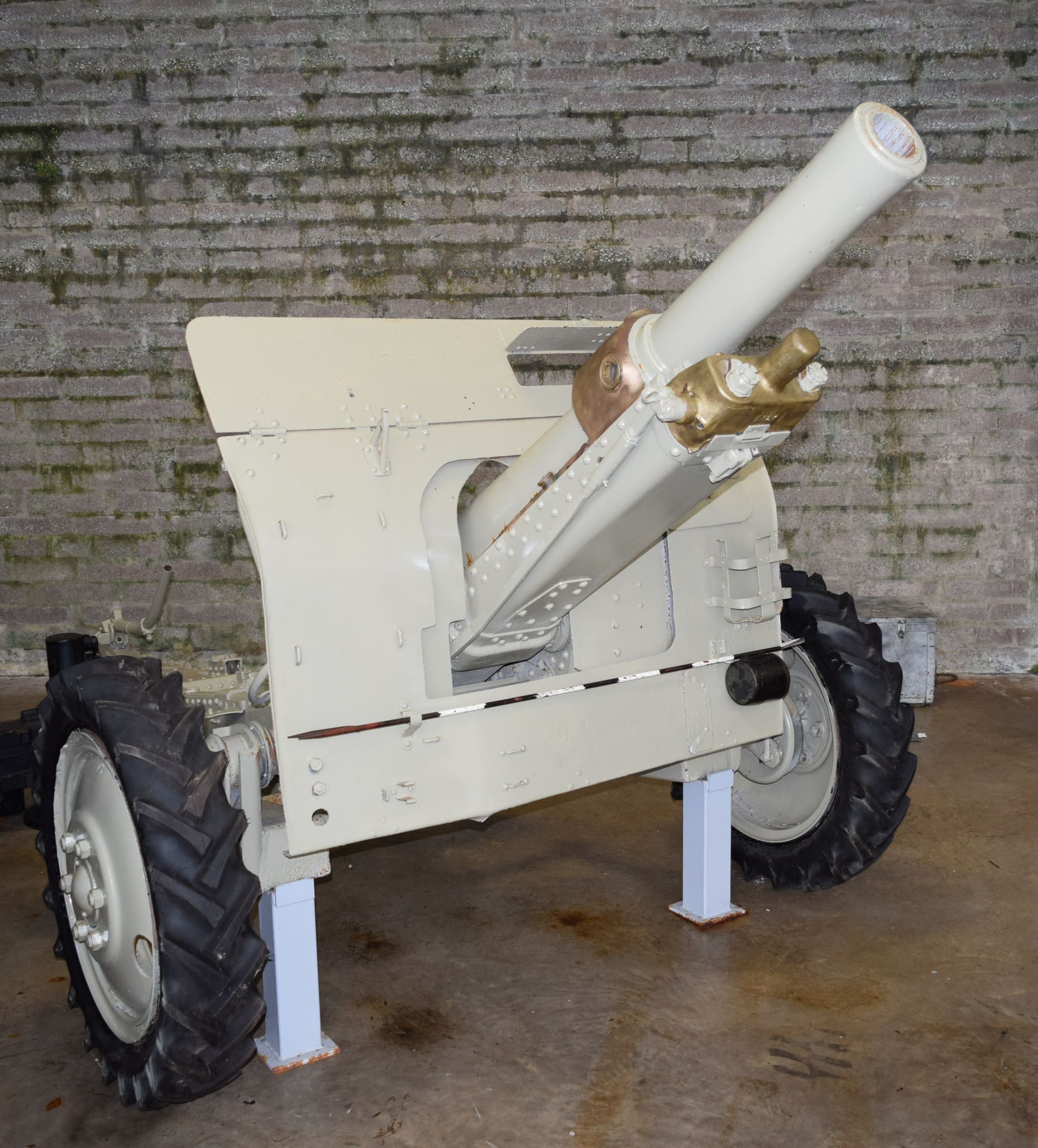
18-pounder Field Artillery Gun
Calibre: 3.3 inch (83.8mm)
Range: Up to 6525 yards (5966m)
Manufacturer: Vickers Armstrong, England
The first version of this gun with cartwheels was manufactured in 1904. The QF 18-pounder guns were the first artillery pieces acquired by the Defence Forces in 1922. Initially, on loan from the British, they were purchased the following year. These guns formed the backbone of the new Irish Army Artillery Corps. Steel wheels with pneumatic tyres, as seen here, were fitted during the 1930s. This allowed the guns to be towed by motorised vehicles. The guns were taken out of Irish service in 1974.
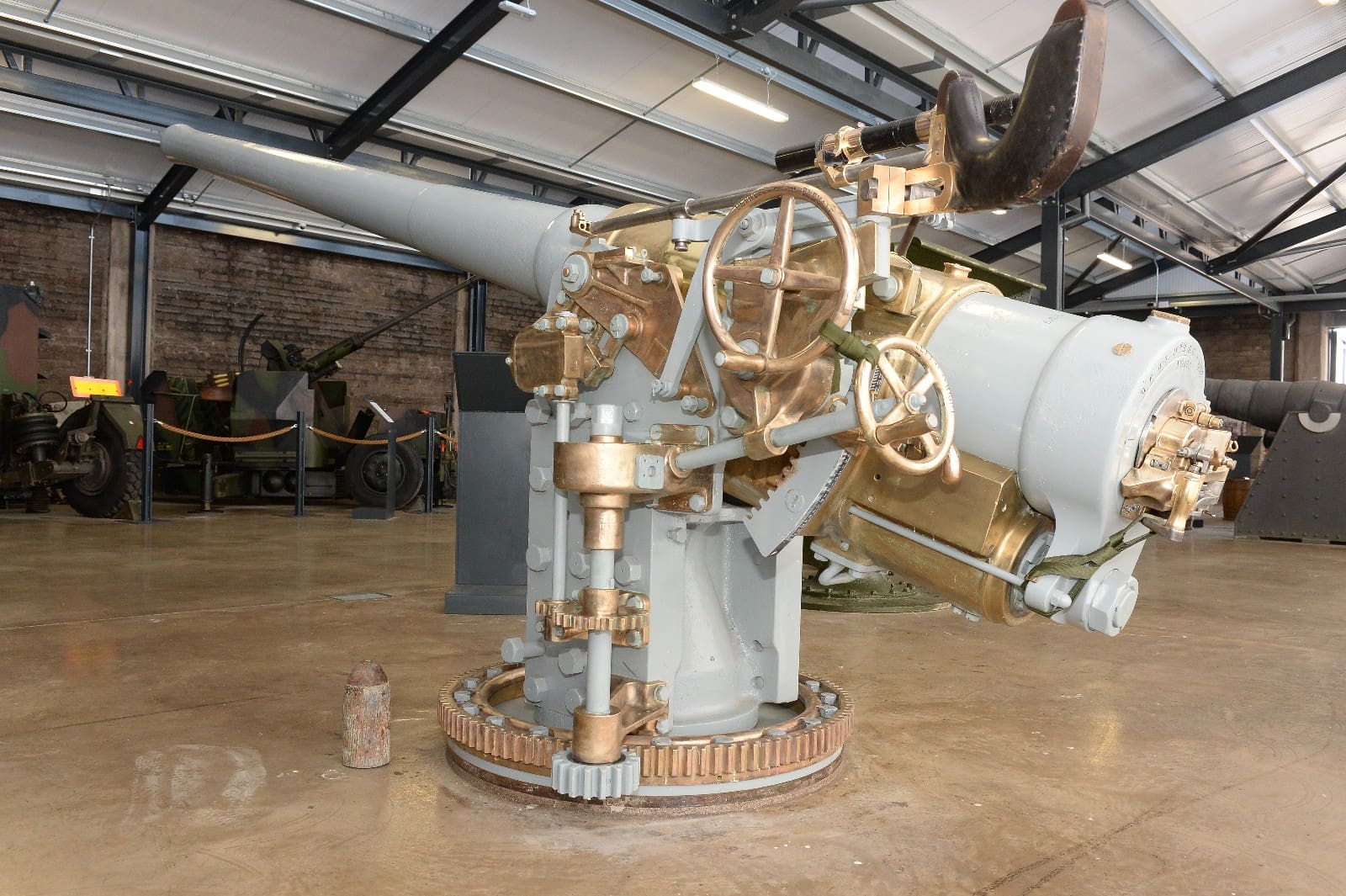
4.7-inch QF Gun
Calibre: 4.7-inch (120 mm)
Range: Up to 13.123 yards (12.000 meters)
Manufacturer: Elswick Ordnance Company, England
Dates in Irish Sevice: 1938-1947
4.7-inch QF (quick-firing) guns have naval origins dating back to the 1860s and were
adapted for land use in the 1890s. In Ireland, 4.7-inch guns were deployed to Fort Dunree, Co.
Donegal and Reenduff Battery on Bere Island, County Cork. This particular 4.7-inch gun was obtained from Britain by the Irish government circa 1942 for the defence of Galway port. It was never
deployed. Here at Fort Mitchel, there are two of the larger 6-inch guns, now fully restored and on view under No. 2 and No. 4 Bastions.
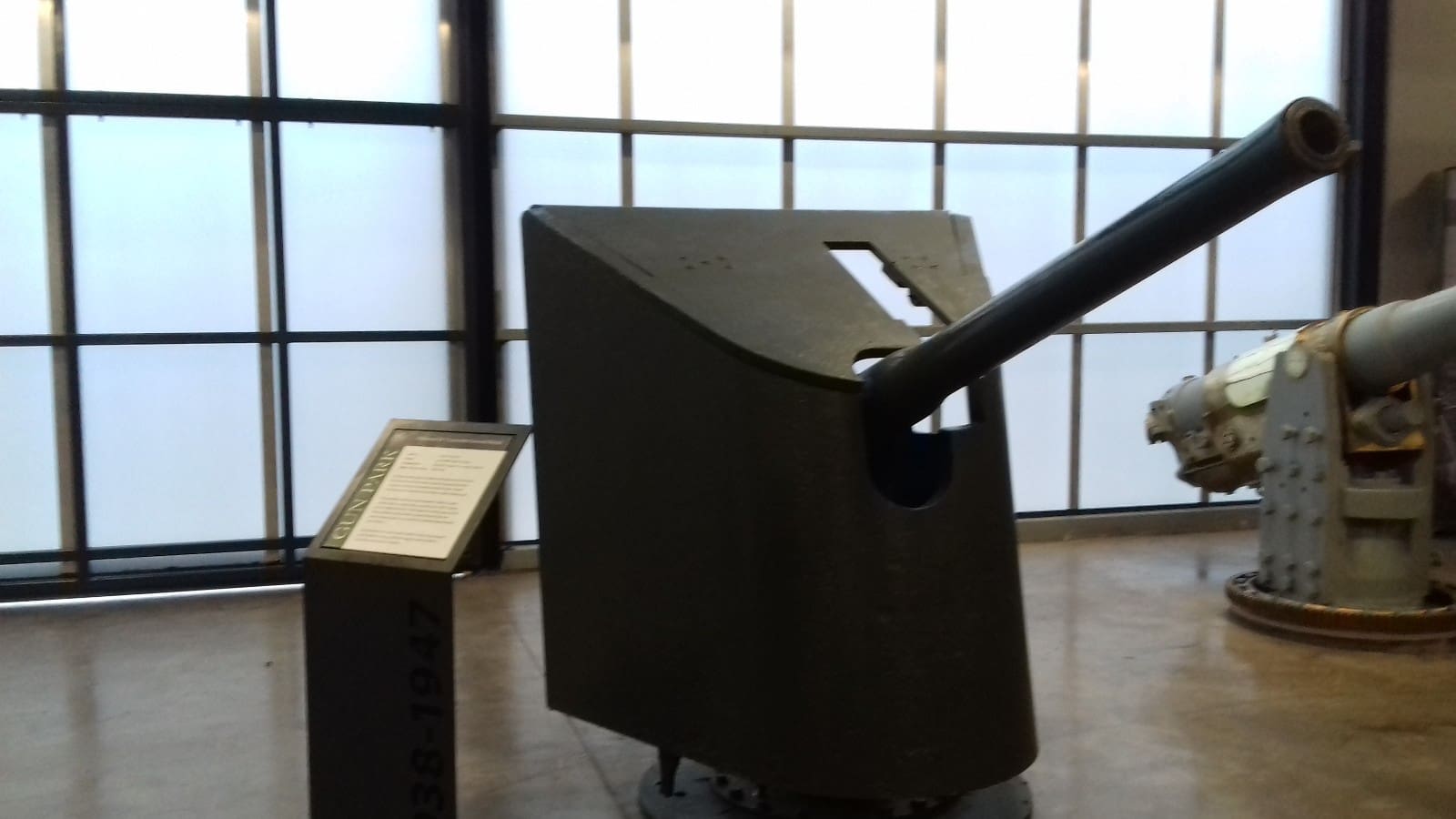
12-pounder Gun and Shield
Calibre: 3 inch (76.2mm)
Range: up to 8,000 yards (7,315 metres)
Manufacturer: Elswick Ordnance Company, England
Dates in Service: 1938 – 1947
12 Pdr quick-firing (QF) breech-loading (BL) guns were designed in the 1880s. BL guns are fully operated at the rear and are quicker to load and have greater range and accuracy. The gun shield is extremely rare. During the First World War, these guns were operated at Fort Carlisle (Davis) and Fort Camden (Meagher) to counter motor torpedo boats attack and covering fire for the minefield. Today, four of these guns on No. 3 Bastion are used for ceremonial purposes by the Defence Forces as the Cork Harbour Saluting Battery.
Defensive Electric Light (DEL)
Manufacturer: Siemens, London, England
Dates in Irish Service: 1938-1947
This searchlight was manufactured in 1898 by Siemens of London. It emitted a light beam equivalent to two billion candles and had a range of 3,650 metres. The light from the burning of two carbon rods was concentrated and focussed by a highly polished mirror. The three searchlights on Spike Island and the two at Fort Davis were controlled from the Battery Observation Post on Spike Island to ensure that they operated in tandem with the guns. This enabled the 6-inch guns to operate at night.
Bofors 40mm/L60 Anti-Aircraft Gun
Calibre 1.6 inch (40mm)
Effective Range: 3,500 yards (3,200m)
Max Rate of Fire: 120 rounds per minute
Max speed of Target: 500 mph (804 kph)
Manufacturer: AB Bofors, Sweden.
Dates in Irish service: 1939 – 2001
This gun was made for air defence, ground and naval use and both had a calibre of 40mm and a barrel length of 60 x the calibre hence L60. Spike Island was the first location outside Dublin, where anti-aircraft guns were deployed by the Defence Forces during the Emergency (Second World War). The Reserve Coast Defence Artillery unit on Spike Island was reconstituted in 1979 as an anti-aircraft battery and the gun displayed here was part of its inventory.
Bofors 40mm/L70 Anti-Aircraft Gun and Fly Catcher Radar
Calibre 1.6 inch (40mm)
Effective Range: 3,500 yards (3,200m)
Max Rate of Fire: 120 rounds per minute
Max speed of Target: 500 mph (804 kph)
Manufacturer: AB Bofors, Sweden.
Dates in Irish service: 1939 – 2001
By the end of the Second World War, jet aircraft had so increased the speed of attack that the L60 could not get enough rounds into the air to effectively enagage the aircraft before it had flown out of range. The Bofors 40mm/L70 is an up-rated version of the L60 and this new weapon was now capable of electrically controlled automatic fire.
The “Fly Catcher” radar system was a self contained all weather integrated search radar and fire control system. It could track up to sixteen aircraft simultaneously within a range of up to twenty kilometres. The radar provided accurate targeting information to its accompanying battery of six L70 guns each of which could be deployed up to two kilometres from the radar.
The “Fly Catcher” was acquired from the Royal Netherlands Air Force in 2001 and last used in 2011.
Leyland Retriever, Machinery Lorry
Manufacturer: Leyland Motors, England from 1939 -1945
Weight: 7.7 tons
Speed: 30 mph (48 kph)
Drive: 6-wheeled, 4-wheel drive
Petrol Engine: 6 litre 4 cylinder, 73 brake horsepower (bhp)
Dates in Irish service: 1939 – 1970
The lorry that is displayed here was purchased in 1939 by the Defence Forces at a cost of £1,312. Its purpose was to carry out maintenance and repairs in the field with the Ordnance Corps in the Southern Command. The lorry is fitted with a lathe, pedestal drill, portable forge and grinder. The lorry has its own generator and could also use an external electricity supply.
17-pounder Anti-Tank Gun
Calibre: 3-inch (76.2mm)
Effective Range: Up to 10,000 yards (9,114m)
Manufacturer: Royal Ordnance Factories
Dates in Irish service: 1949 – 1962
Developed in World War Two to counter new and heavily armoured German tanks, the 17 Pounder proved a battlefield success, variants serving both as a towed artillery piece and a tank-mounted main gun on allied tanks such as the Sherman Firefly. The only Allied tank capable of defeating the feared German Tiger and Panther tanks during the battle for Normandy. The 17 Pounder could also be flown into battle by a heavy glider. The Irish Army used the 17 Pounder from 1949 to 1962.
The QF 17 pounder’s special armour piercing shells were capable of penetrating 130mm of sloped armour at almost 1000 meters. Requiring a crew of at least seven men, the 17 pounder outperformed all other Allied anti-tank guns from 1943. QF 17 Pounder anti-tank guns were the most powerful guns ever employed by the Defence Forces.
25-pounder Field Artillery Gun
Calibre: 3.45-inch (87.6 mm)
Range: up to 13,123 yards (12,000 metres)
Manufacturer: Royal Ordnance Factories
Dates in Service: 1949 – 2009
During the 1930s, the 18-pounder was replaced by the 25-pounder. This larger gun became the standard field gun of the British artillery forces during and after the Second World War. A quantity of 25 pdr guns was purchased by the Irish Defence Forces in 1949 and became the mainstay of the Artillery Corps until replaced by the Air Deployable 105mm Light Artillery gun in 1980. The 25-pounder remained in service with the Reserve Defence Forces until 2009 and is now used only for ceremonial purposes.
Brandt 120 mm Mortar
Manufacturer: Societe Nouvelle des Establisséménts, Brandt, Paris.
Calibre: 4.72” (120mm)
Ammunition types: High explosive, smoke and illumination
Range: up to 7,376 yards (6,745 m)
Dates in Irish service: 1953 – 2004
This mortar served with the Heavy Mortar Batteries in all the Irish Army Field Artillery Regiments. Troops equipped with this weapon were deployed to the Congo, Cyprus and Lebanon where they provided illumination fire missions in support of UN operations. The 120 mortar was mounted on an integral wheeled carriage that was normally towed by a Land Rover or Nissan Patrol.
Bofors 90mm Recoilless Anti-Tank Gun
Manufacturer: Bofors, Sweden
Weight: 260 Kg (573 lbs) with carriage
Sighting: Open, telescopic and 7.62mm ranging weapon
Ammunition types: Anti-tank and anti-personnel and training rounds
Range: 1,000m (1,120 yards)
Dates in Irish service: 1960 – 1990
The 90 mm anti-tank gun was capable of being man handled across rough terrain into a firing position by its five man crew. It was a very effective anti-tank weapon, however, the dramatic back blast from the gun quickly gave away its position to the enemy resulting in heavy counter fire.
Bofors 40mm/L60 Naval Gun
Calibre: 1.6 inch (40mm)
Effective Range: 3,500 yards (3,200m)
Manufacturer: AB Bofors, Sweden
Dates in Irish Naval Service use: 1970 – 2004
This L60 gun was considered to be the most successful anti-aircraft weapon of the Second World War. From 1970 to 2004 this was the main armament on several Irish Naval Service vessels until replaced by the L 70 on a phased basis beginning in 2003. A hydraulic system was used to aim the L 60 and it could also be operated manually. Some were later converted to operate electrically. While the naval L 60 was very similar to its land-based counterpart its special mounting and hydraulic power made it a formidable weapon in both anti-aircraft and anti-surface roles.
4.5″ Howitzer
The Ordnance QF 4.5-inch howitzer was the standard British Empire field (or “light”) howitzer of the First World War era. It replaced the BL 5-inch howitzer and equipped some 25% of the field artillery. It entered service in 1910 and remained in service through the interwar period and was last used in the field by British forces in early 1942. It was generally horse drawn until mechanisation in the 1930s.
The QF 4.5-inch (110 mm) howitzer was used by British and Commonwealth forces in most theatres, by Russia and by British troops in Russia in 1919. Its calibre (114 mm) and hence shell weight were greater than those of the equivalent German field howitzer (105 mm); France did not have an equivalent. In the Second World War it equipped some units of the British Expeditionary Force in France and British, Australian, New Zealand and South African batteries in East Africa and the Middle East and Far East.
Proving Mortar
Proving Mortar
Scorpion – Combat Vehicle Reconnaissance Tracked, CVR(T)
Manufacturer: Alvis, Coventry, England
Armament: 76mm cannon, 7.62mm co-axial machine gun 0.5-inch HMG and 4 x smoke dischargers
Main Gun: Fired anti-tank, high explosive, smoke and illumination rounds
Armour: 14.5 – 12.7mm welded aluminium armour plate
Crew: Commander, gunner and driver
Speed / Range: 80.5 KPH, 644 Km road, 390 KM cross country
Engine: Jaguar J 60, 4.2 Lt six-cylinder petrol
Dates in Irish service: 1980 – 2016
The Scorpion, Combat Vehicle Reconnaissance Tracked, CVR(T) gave the Defence Forces an armoured tracked vehicle that provide firepower, reconnaissance, protection and mobility with an enhanced cross country capability.
PANHARD AML 90
AML-90 was designed for carrying out rearguard duties and substituting for the heavier tanks and armoured fighting vehicles deployed in a more linear fashion at the front. Its major feature was its DEFA low-pressure 90 mm rifled gun, which permitted the anti-tank and reconnaissance elements. It was specifically designed for vehicles weighing under ten tonnes in mind, and the successful mating of such a large calibre weapon on the five-tonne AML chassis was then considered a major engineering achievement. This made an AML-90 exceptionally well-armed in proportion to its weight, and offered the advantage of easier recoil loads over conventional tank cannon.
6” MK VII BREECH-LOADING GUN
The 6-inch guns entered British service at the start of the 20th Century and saw use in naval, coastal and land artillery roles. Three of these guns were located on Spike Island from circa 1902. Two were mounted operationally in open emplacements on Number 3 Bastion and the third for training purposes in the Drill Shed. In 1938, the Irish Army’s Coastal Defence Artillery took over Spike Island’s 6” guns. In 1943 the two guns were relocated to their present underground emplacements under Numbers 2 and 4 Bastions. Spike Island’s 6” guns were manned continuously throughout the ‘Emergency’ period.
Post-war, the role of Coastal Defence declined, with eventual disbandment and re-rolling to air defence artillery. Spike Island’s 6” gun on Bastion 2 saw a new lease of life with the arrival of the Prison Service in 1985, with staff and inmates working on its restoration, a task which was taken up by a team of ex-island residents and volunteers in the years after the prison closed. Today both guns 1 and 2 are open to the public and are kept in a high state of restoration, and continue to impress the visiting public. The 6” guns are the largest surviving examples of breech-loading guns in Ireland.

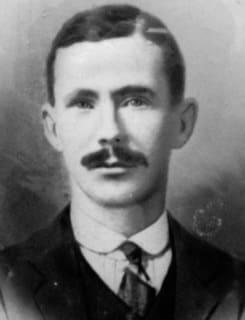 Captain Patrick White was a former carpenter who became active in the Irish War of Independence. Following arrest, he was sent to Spike Island on the 12th of April 1921, from Cork Male Gaol. White was in his mid-thirties and a captain in the Meelick Company of the East Clare Brigade of the IRA, having been involved with the Irish Volunteers since 1914. He was among a group attempting to meet the gun-running ship the Aud in 1916, only to hear of its capture and later sinking close to Spike Island. It was after participating in an attack on Crown Forces at Cartloe, Clare, in which two RIC officers were killed, that White was apprehended, along with his friend Thomas Ringrose. Both men suffered the trauma of being used as human shields on British convoys, to prevent their fellow IRA members from attacking the vehicles for fear of injuring them. It was a relief to both rebels to be taken off the mainland to Spike, White reportedly saying to his friend Ringrose ‘We are safe now’.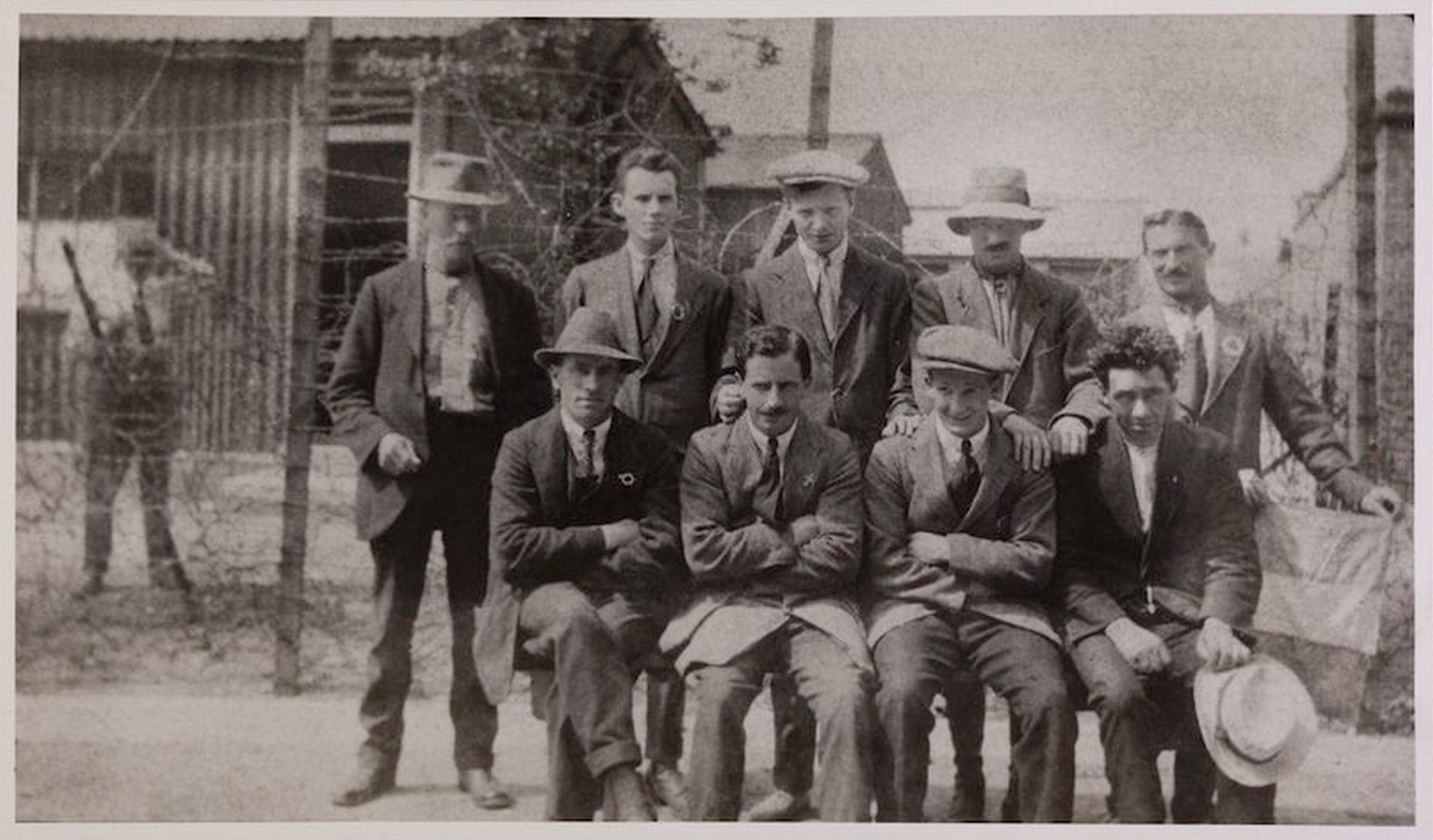
 White’s body was taken to the A block, where his countrymen held a vigil guard of honour overnight, not leaving him alone for a second. Hut one, A block, Spike Island, was a place of pain and suffering that night, as the soldiers of Ireland stood over their fallen friend, distraught and mute in disbelief. The following morning at 8.30am the cold body of Patrick White was lifted to the prison chapel, where a mass was held in solemn silence. When it ended his friends lifted the body back to hut one where it remained for two more days, while arrangements were made. On June 03rd, three days after the shooting, the body of Patrick White, now in a simple timber coffin, was brought once again to the prison chapel for a requiem Mass, before being carried by his fellow prisoners from the chapel towards the pier. Every single one of the prisoners and internees well enough to be present were there, lining the parade ground in tribute as the coffin passed. A select few of his fellow internees were permitted to carry his coffin beneath the forts entrance, out beyond the walls of the prison that confined him to catch sight of the mainland he was deprived of. An Ireland he had fought to free. On arrival to the pier they loaded his coffin on to a waiting ship, and turned to march back to captivity, looking over their shoulders as Patrick White, friend and fellow Republican, was taken on his last journey. His body was transported to Cobh where it was sent by train to his hometown of Meelick, County Clare, to be buried by his family. They might have feared, but could never have foreseen, that the next time they saw their relation following his arrest, would be at his burial.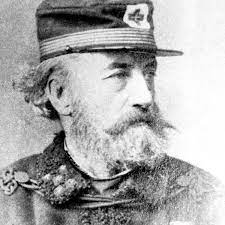
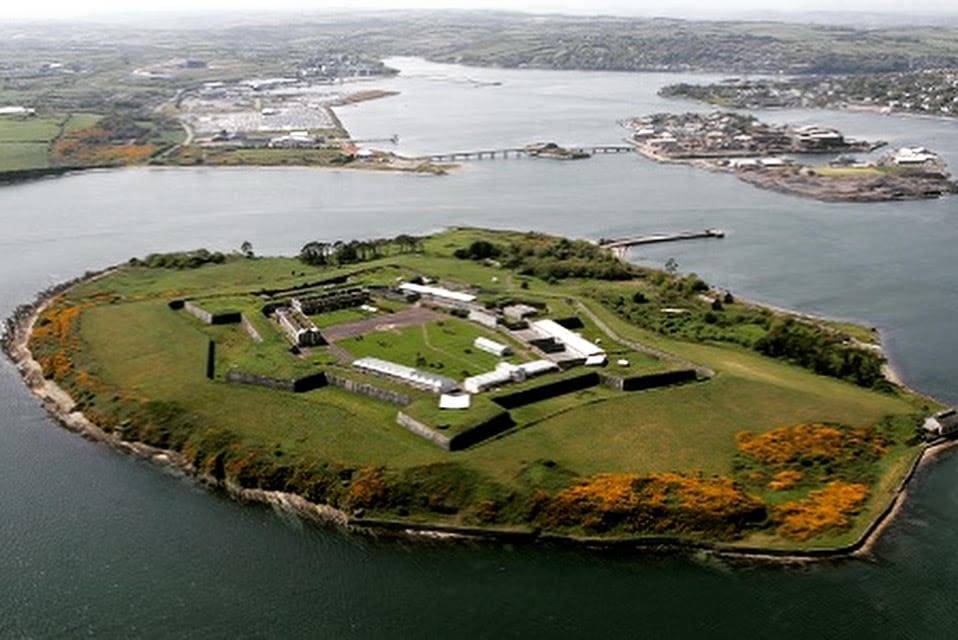
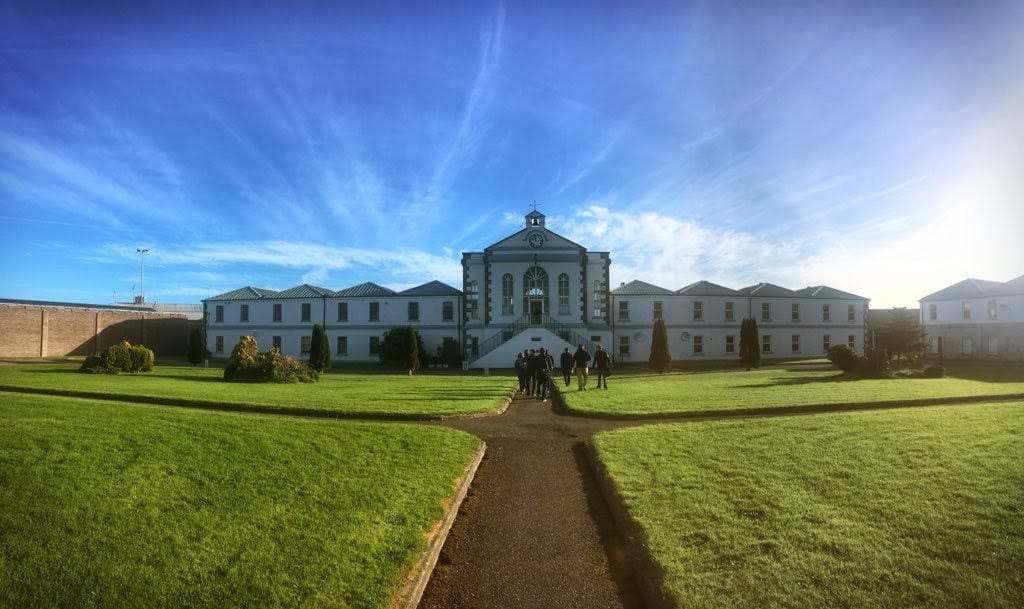 Mitchel Hall was completed in 1851 by the convict and civilian labour and the wider ‘C Block’ as it was known housed convicts sent from Mountjoy Prison in Dublin. The central hall was used as an Anglican chapel until the prisoners left in the late 1800s. This attractive building with its ornate facade saw its central hall used for dances by the island residents on Friday evenings, be they the families of soldiers or prison officers. Former residents tell stories of great excitement leading up to the dances during the Irish army period, from 1938 to 1985, when dresses would be ordered from Selfridges in London for the big event. The British servicemen held coronation balls to celebrate the arrival of new monarchs. It has seen marriages and many other events celebrated down the years.
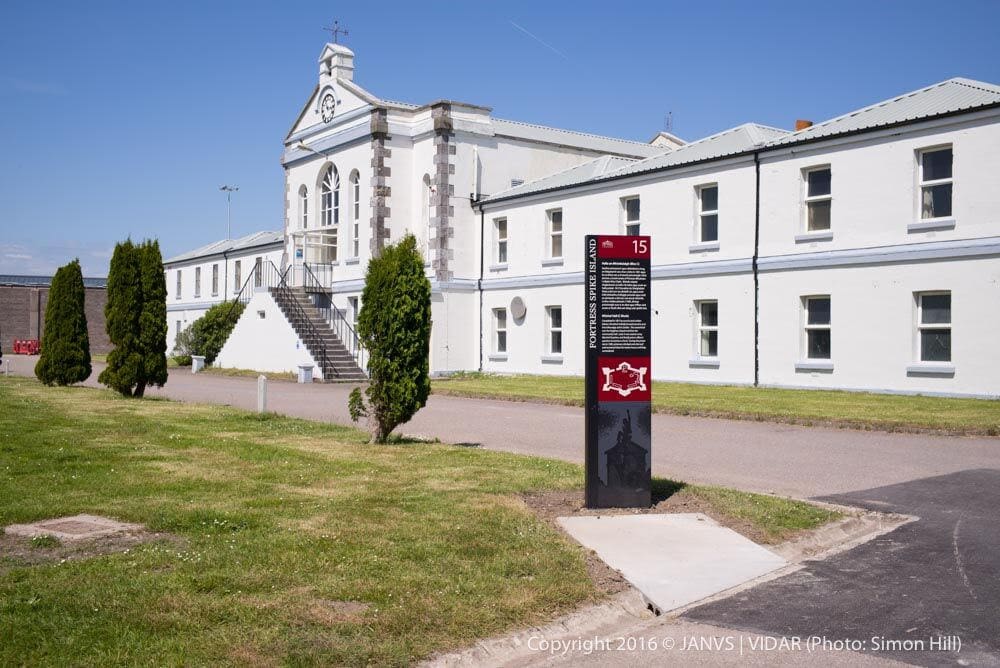 Today the block houses temporary art exhibitions and holds concerts in its former Anglican church, while the adjoining rooms hold an auditorium and a Spike Island social history exhibition. The ground floor ‘Independence’ exhibition on the north side of the building tells the story of the path to Irish freedom from 1914 to 1921. There are also rooms dedicated to the Irish Army, Naval Service and Air Corps as well as our Little Nellie exhibition.
 Range: 1,760 yards (1,600 metres)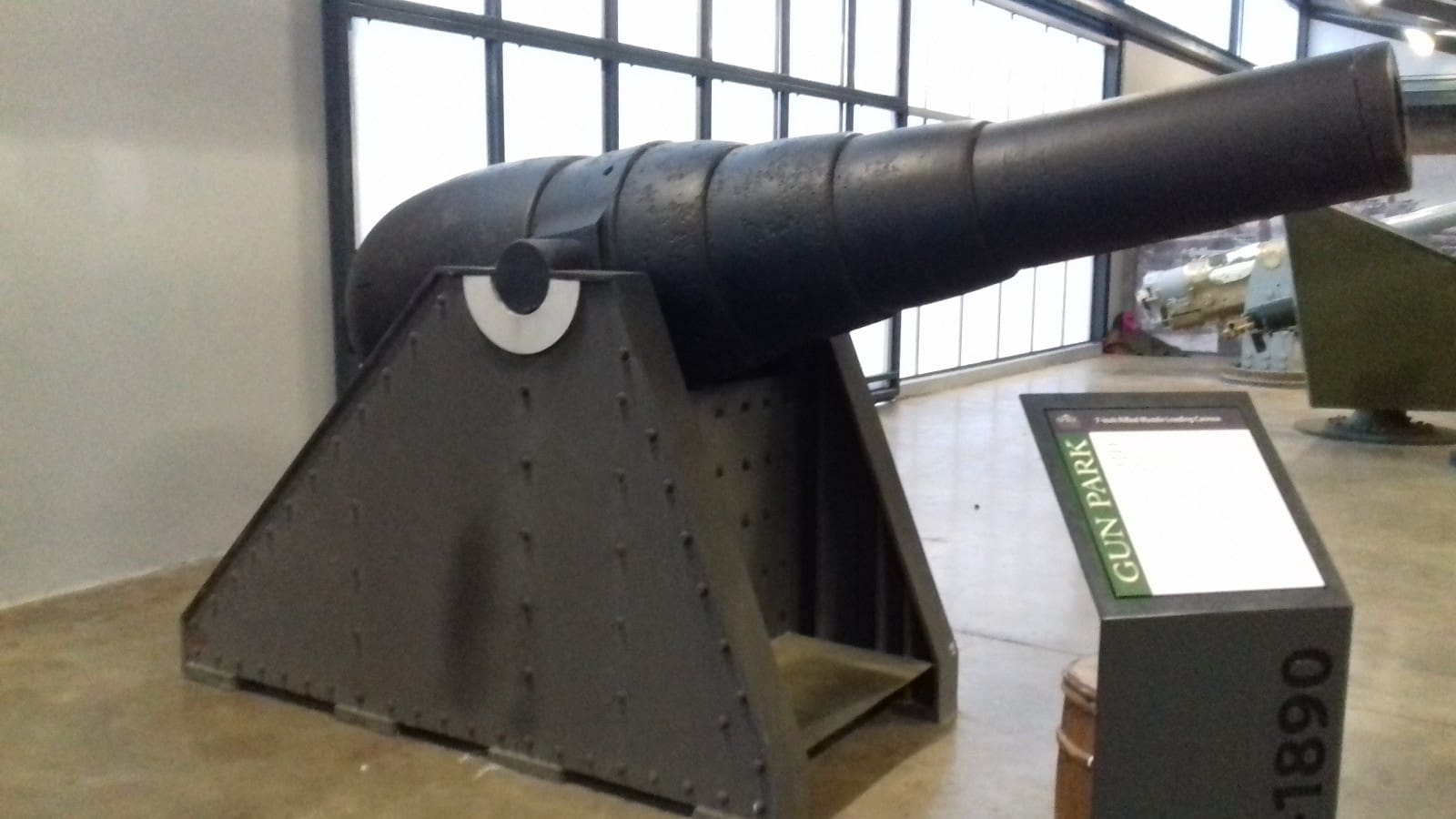
 The Battery Observation Post on Spike Island was the Fire Control Centre for the two 6-inch guns on the island. It was where the essential information of an attacking ship was gathered and processed. This included the ship’s position, range, speed and direction of travel. This data was converted into an elevation and direction for the aiming of the guns together with the correct charge. The charge provided the explosive power to ensure the projectile reached its target. The guns could operate independently when the target was in view and within range of the gun’s auto-sight. The underground Battery Observation Post on No. 3 Bastion is open to visitors.
 Calibre: 3.3 inch (83.8mm)
 Calibre: 4.7-inch (120 mm)
 Calibre: 3 inch (76.2mm)
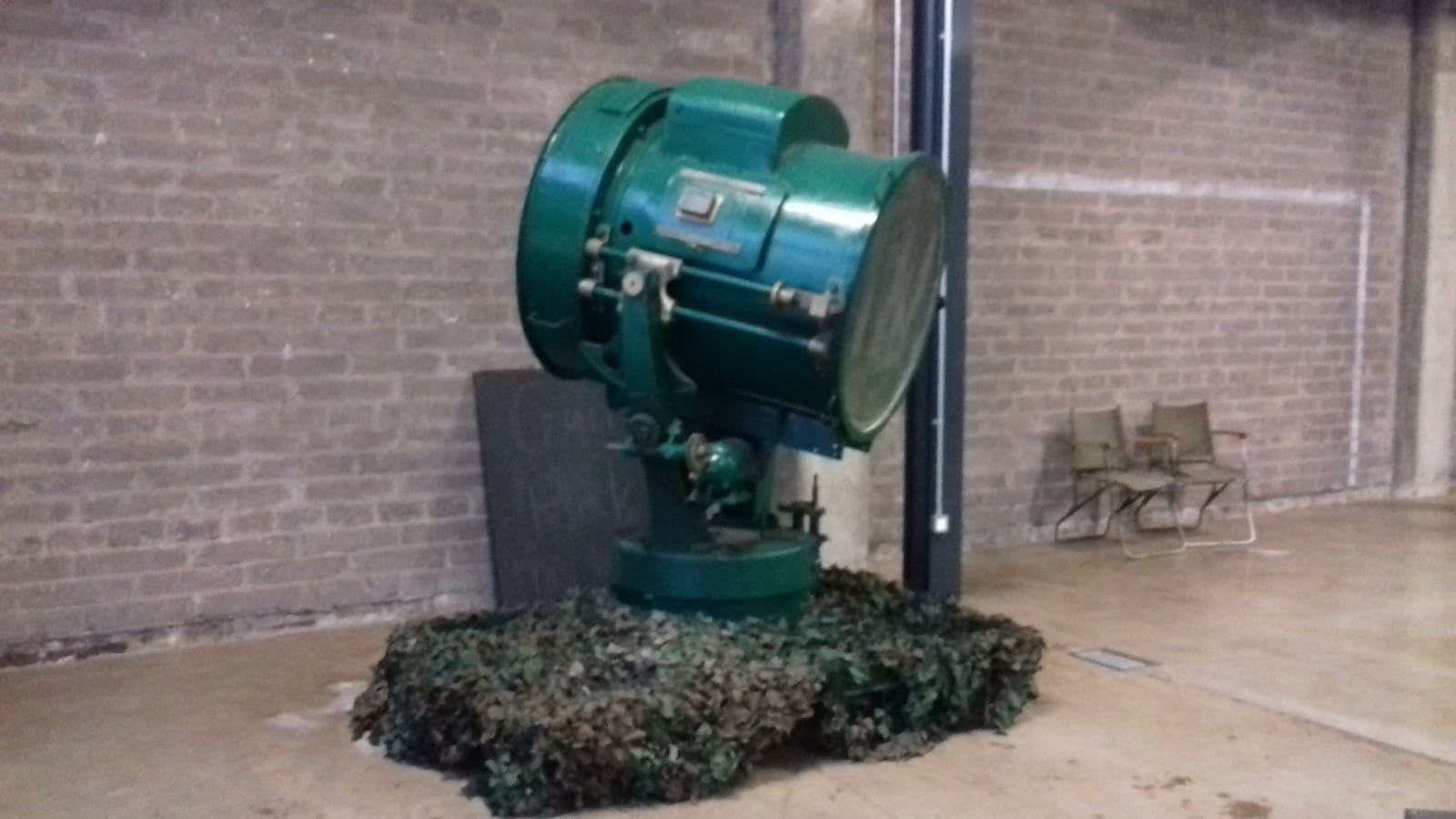 Manufacturer: Siemens, London, England
 Calibre 1.6 inch (40mm)
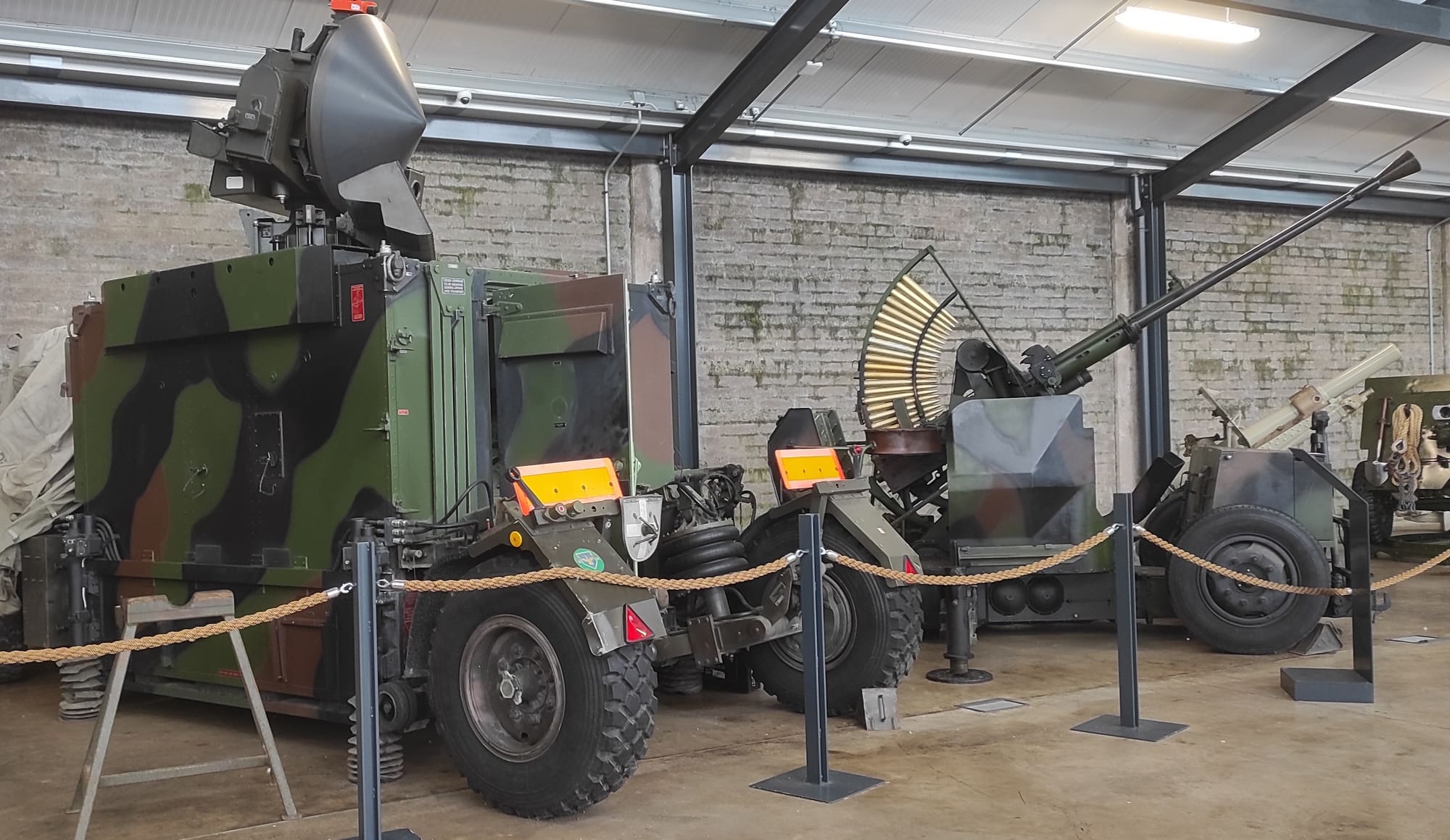 Calibre 1.6 inch (40mm)
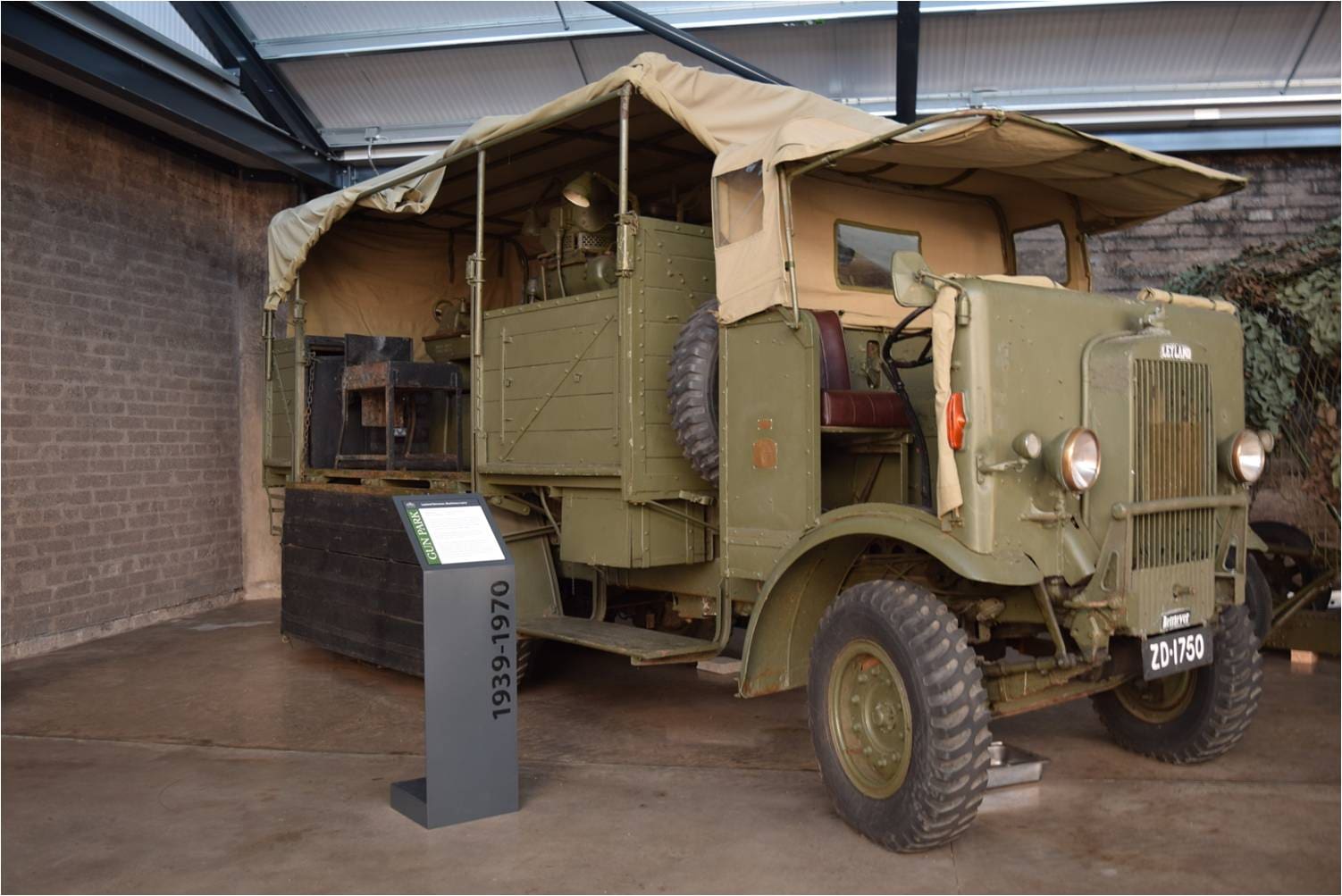 Manufacturer: Leyland Motors, England from 1939 -1945
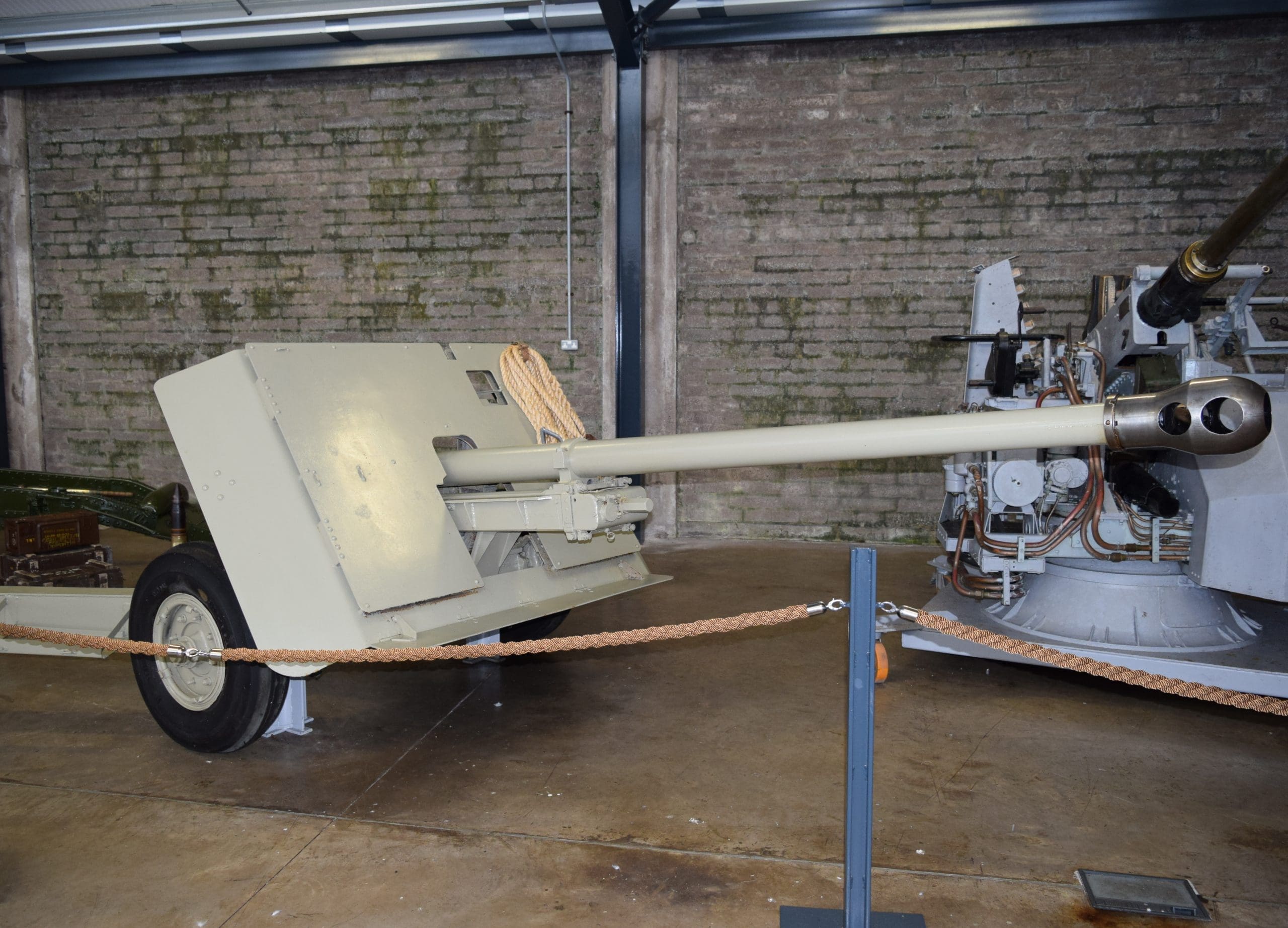 Calibre: 3-inch (76.2mm)
 Calibre: 3.45-inch (87.6 mm)
 Manufacturer: Societe Nouvelle des Establisséménts, Brandt, Paris.
 Manufacturer: Bofors, Sweden
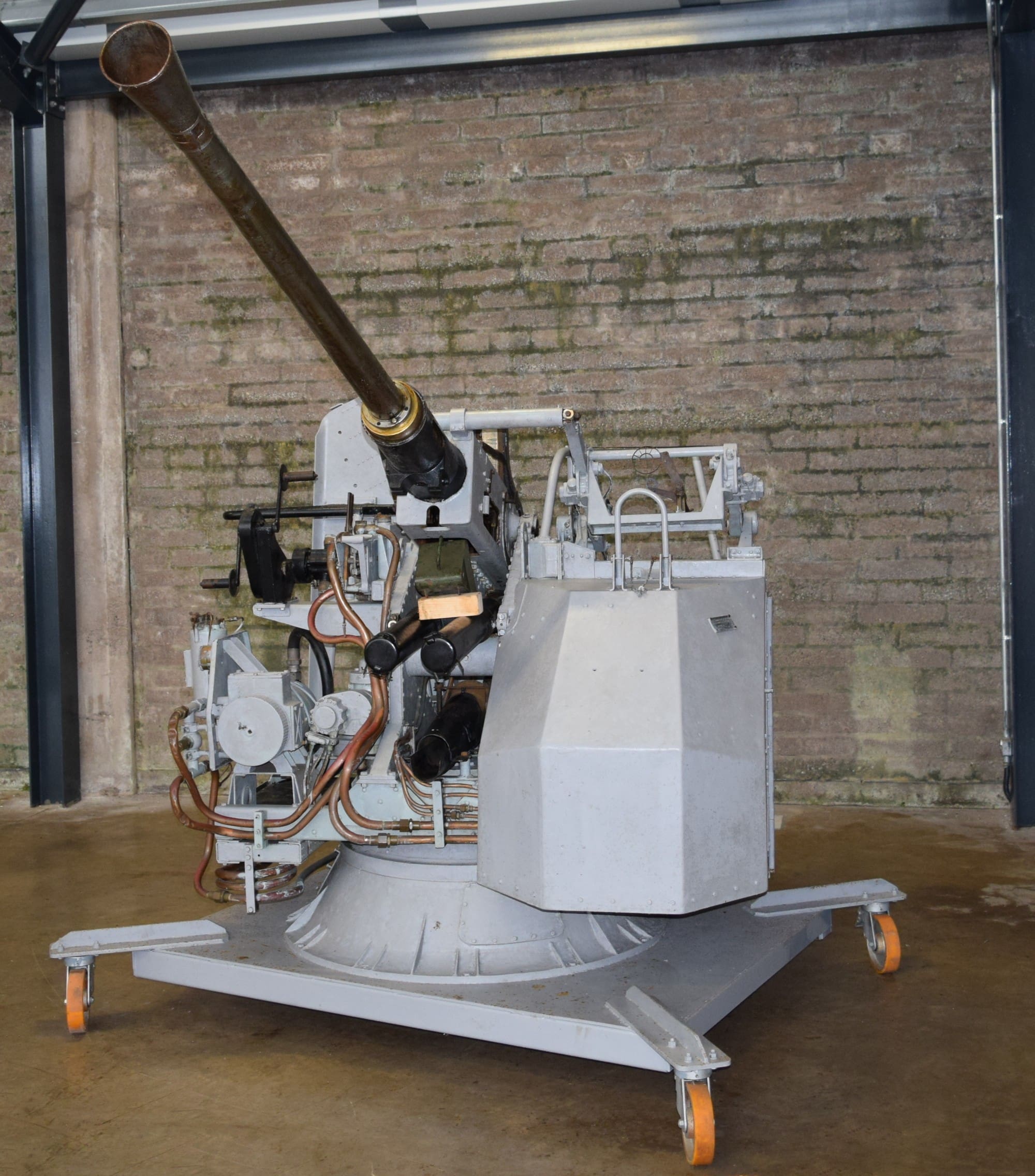 Calibre: 1.6 inch (40mm)
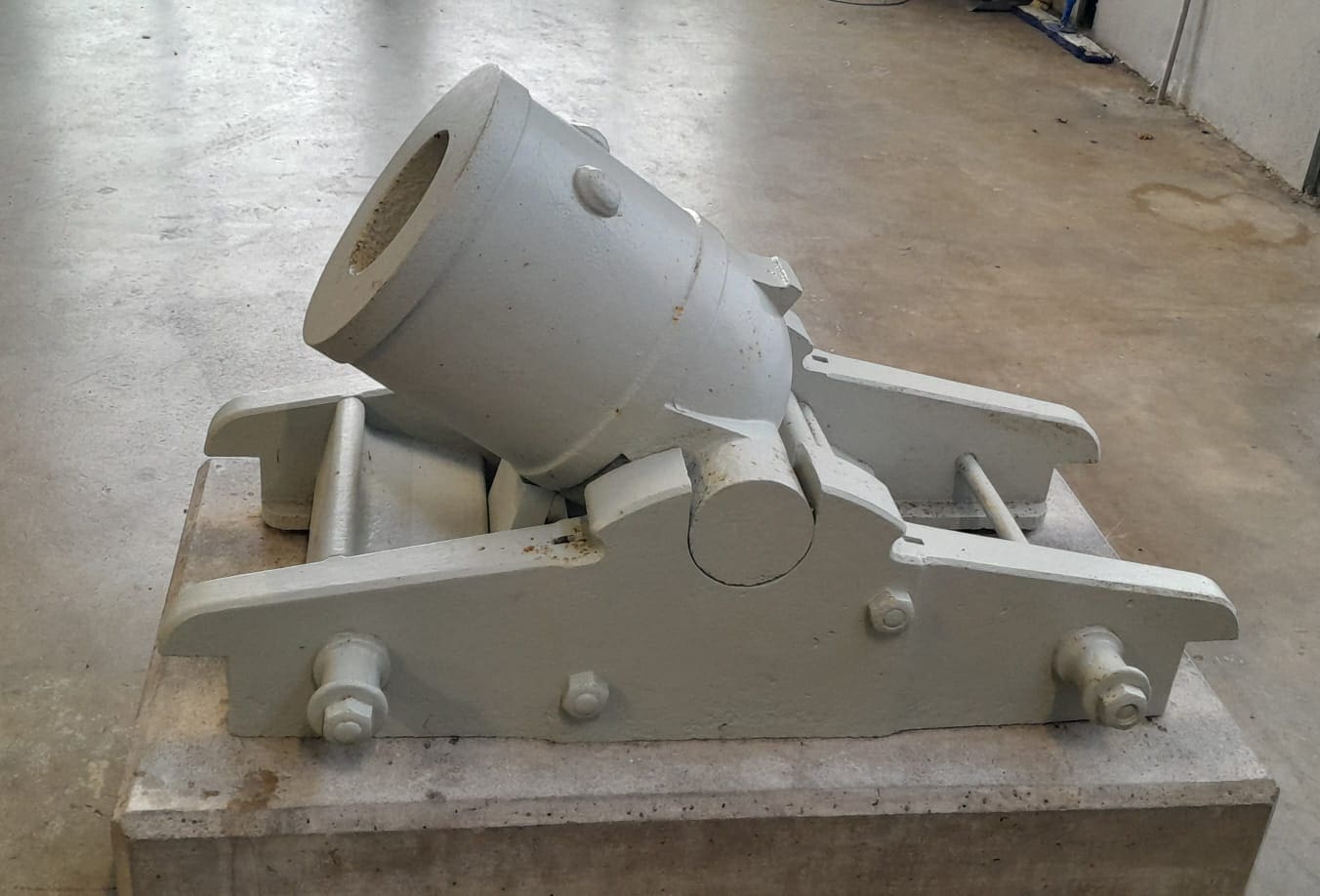 Proving Mortar
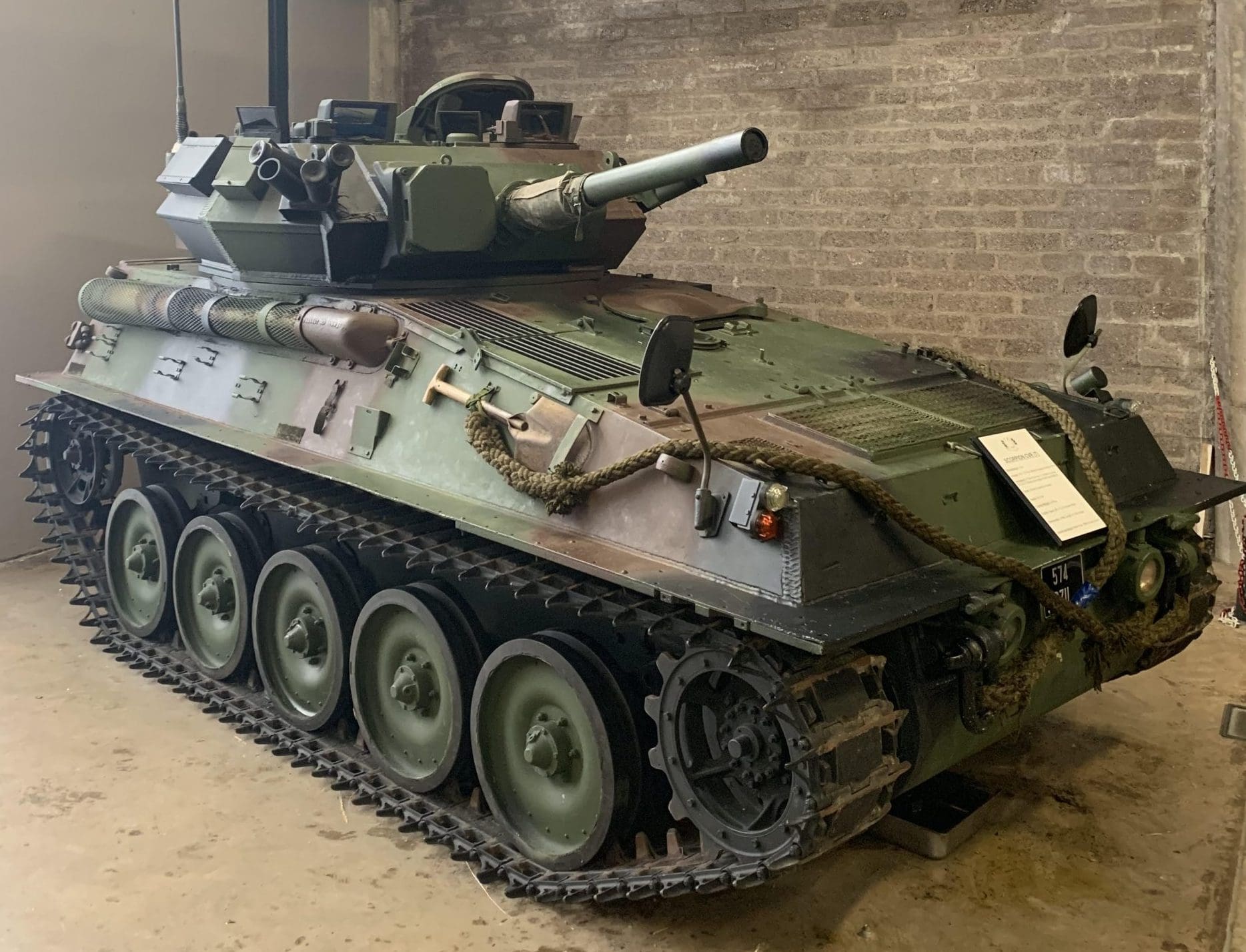 Manufacturer: Alvis, Coventry, England
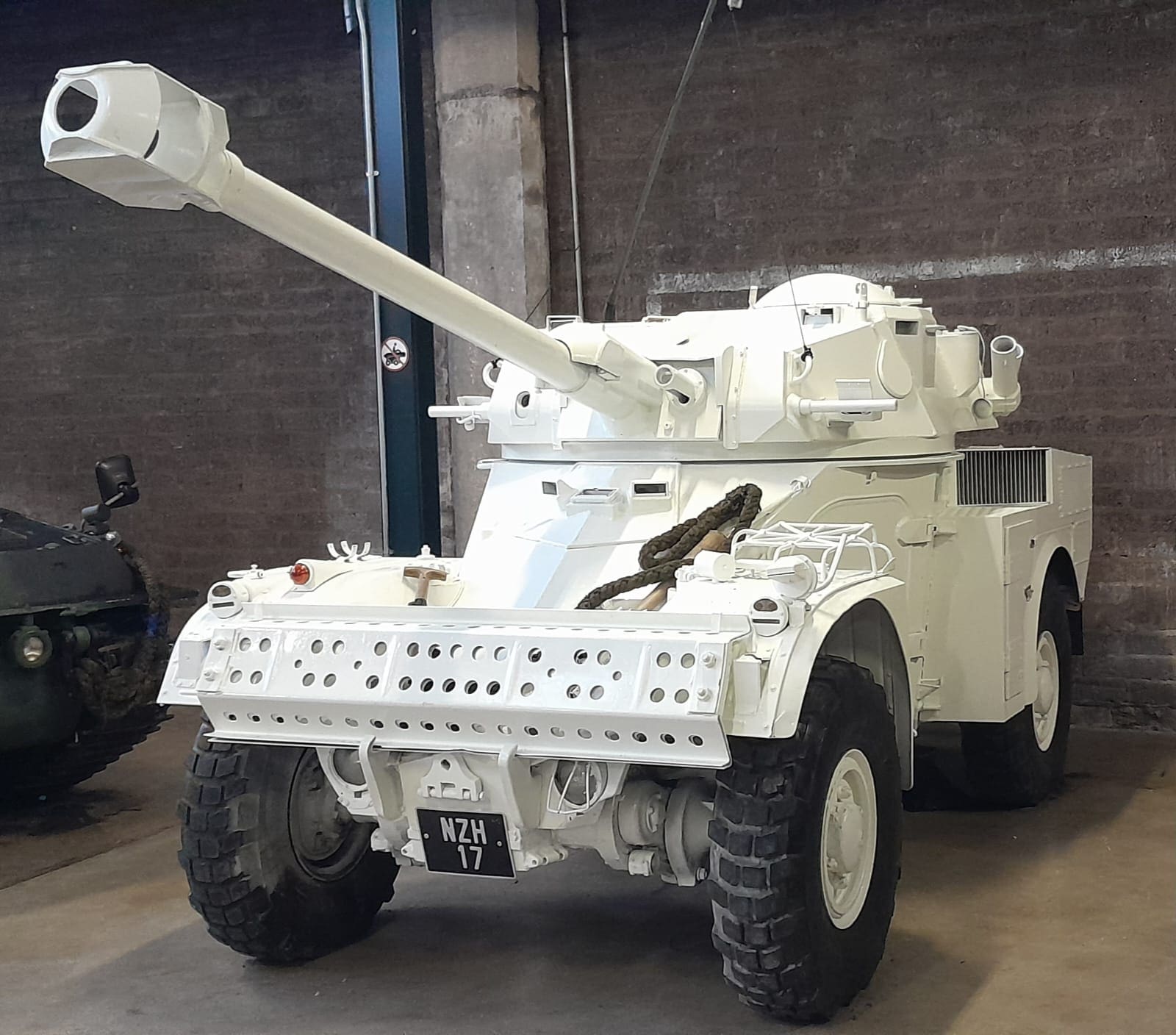 AML-90 was designed for carrying out rearguard duties and substituting for the heavier tanks and armoured fighting vehicles deployed in a more linear fashion at the front. Its major feature was its DEFA low-pressure 90 mm rifled gun, which permitted the anti-tank and reconnaissance elements. It was specifically designed for vehicles weighing under ten tonnes in mind, and the successful mating of such a large calibre weapon on the five-tonne AML chassis was then considered a major engineering achievement. This made an AML-90 exceptionally well-armed in proportion to its weight, and offered the advantage of easier recoil loads over conventional tank cannon.
 The 6-inch guns entered British service at the start of the 20th Century and saw use in naval, coastal and land artillery roles. Three of these guns were located on Spike Island from circa 1902. Two were mounted operationally in open emplacements on Number 3 Bastion and the third for training purposes in the Drill Shed. In 1938, the Irish Army’s Coastal Defence Artillery took over Spike Island’s 6” guns. In 1943 the two guns were relocated to their present underground emplacements under Numbers 2 and 4 Bastions. Spike Island’s 6” guns were manned continuously throughout the ‘Emergency’ period.
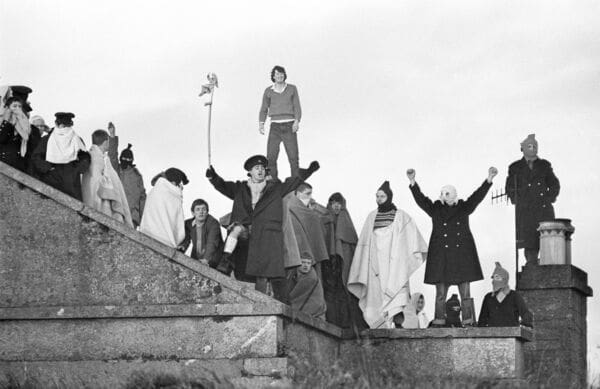 It was a night like any other in August 1985 in the then island prison on Spike Island. The prisoners had returned to their dorms for the night, and all was calm. But an argument quickly escalated, and suddenly the prisoners were escaping from their dorms in numbers. A major riot was underway, and the prison would never be the same again.
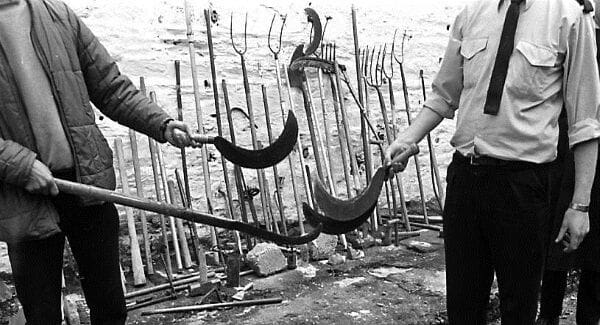 The prisoners now had full control of the island, having broken out of the fort. But the nature of the island prison was proving effective, and they did not attempt to swim the cold and dangerous waters in Cork harbour. Instead, they broke back into the fort, hot-wiring a JCB digger and blocking up its entrance. Buildings were set on fire, including their own accommodation block and the records room.
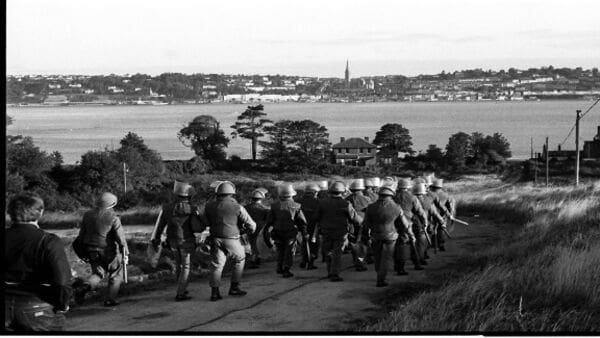 The riot continued for hours before the prisoners climbed on top of the fort ‘Mitchel hall’, where they remained for most of the next day. This allowed the prison officers to return with reinforcements. The army also arrived on the island with an armed unit, but they were wisely turned away, as the situation was de-escalating and did not need further provocation.
 In 1848 he was the first person to be convicted of sedition under the ‘Treason Felony Act’, a sentence created with him in mind. He was sentenced to fourteen years transportation and at the time Bermuda in the Caribbean was one of the main destinations. Following his conviction in Dublin on the 27th of May 1848, Mitchel was transferred under military escort to Spike Island on H.M.S Scourge, where he was incarcerated for three days, and on to Bermuda and eventually Australia in 1850. During his journey, he began to write his famous ‘Jail Journal; or ‘Five Years in British Prisons’, his diary of his experiences from Dublin and on Spike Island until his arrival in New York on the 29th of November 1853.
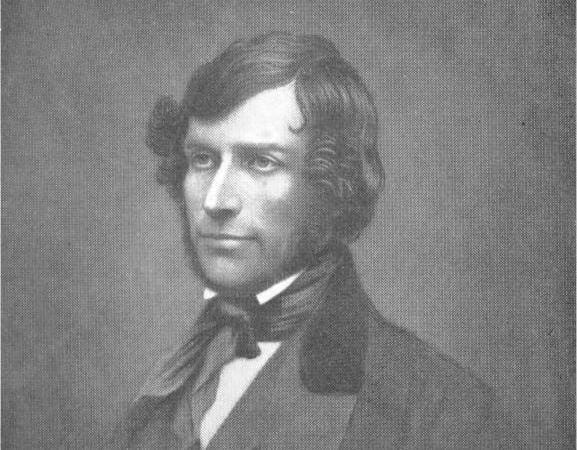 His journal was first published in book form in New York in 1854. The book was highly influential at the time as many readers were shocked to hear of the ‘dark age’ conditions in which some prisoners were still being held on Spike Island, despite some efforts at reform in other prisons within the Victorian penal system. There was a loud call for reform which started right here on Spike Island and would be exported to the world, called the ‘Spike Island system’. But the books biggest impact came in its contribution to the cause of Irish nationalism. The style of Mitchel’s prose was well received by the influential higher classes and it prompted many to reconsider their stance on the impact of the Empire and the just cause of national sovereignty and freedom. The Jail Journal has been described by the Oxford Dictionary of Biography as one of the ‘classics of Irish revolutionary writing’ and by others as ‘the manual of Irish nationalist philosophy’. Though it was many decades later that Ireland finallly won its freedom, several members of the 1916 generation cited Mitchel as their inspiration.
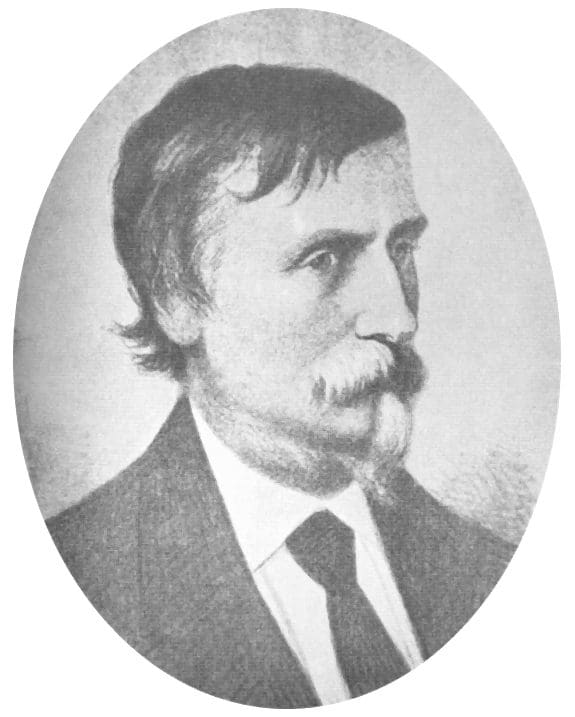 It has rightly been pointed out by modern historians that Mitchel besmirched his name by being an advocate of the slave trade in America’s southern states. He supported the Confederates in the American Civil War, and two of his sons died fighting against the Union. His support was at odds with his ardent belief in the right of Irish people to assert their freedoms, and shows the often complicated status of historical figures. While abhorring his support of the Confederate states and the act of slavery, his contribution to the cause of eventual Irish freedom is well established.
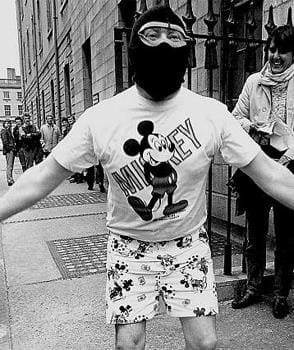 He was born in a rough part of Dublin’s north side in 1949 as the second of 12 children. Along with his brother, he was involved in stealing food to feed their family as soon as they entered school. He progressed to house burglary and soon armed robbery and when he applied to join the Navy he was refused due to his criminal record. His targeting of security vans transporting cash from bank to bank saw him listed as one of Dublin’s most dangerous criminals.
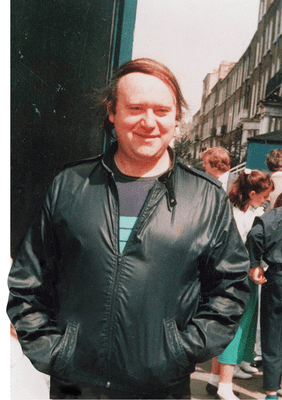 Other works including a Goya, two Rubens, two Metsus and a Gainsborough meant the haul was worth close to a hundred million Punts and the haul is considered the second-largest art heist of all time. Cahill and his gang were unable to sell the valuable paintings due to the notoriety of the theft, which made headlines worldwide. Though some were quickly recovered many lay hidden in the Dublin mountains for many months and years. The robbery proved to be an ill-advised move and all but two of the paintings were recovered, 2 Venetian scenes created by Gaurdi which would be worth many millions today. They are suspected to still be hidden in the Dublin mountains, with only Martin Cahill knowing their whereabouts.

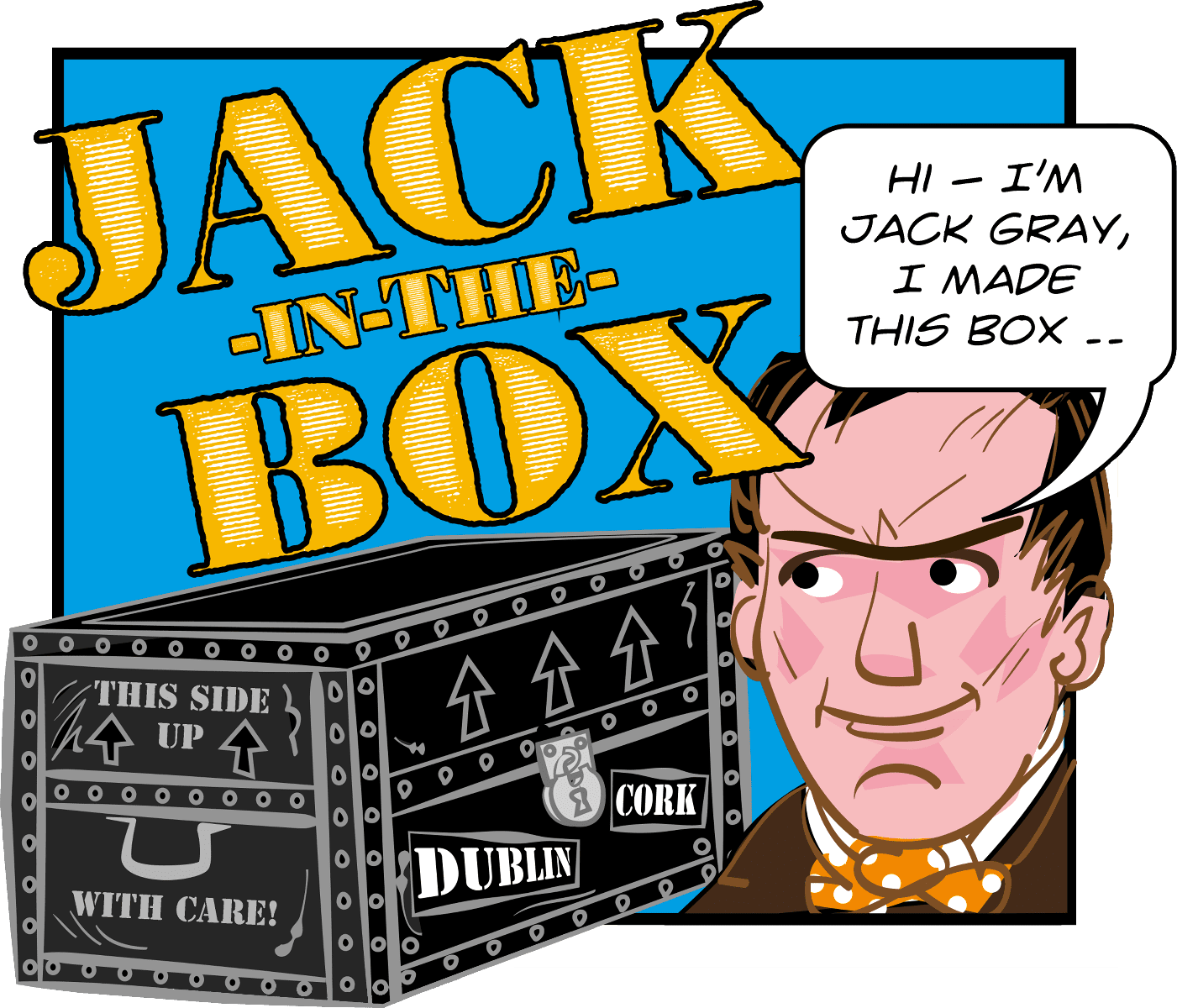 One of the most famous and crafty prisoners of all time was surely James Grey, or ‘Jack in the Box’ as he was more famously known in Victorian-era Ireland and Britain. James was a Manchester-born thief who came up with a crafty plan. He identified that the trains steaming their way around the country carried with them many rich and well-heeled passengers, who would leave their considerable valuables in luggage trunks which were kept in a special carriage for the duration of the journey.
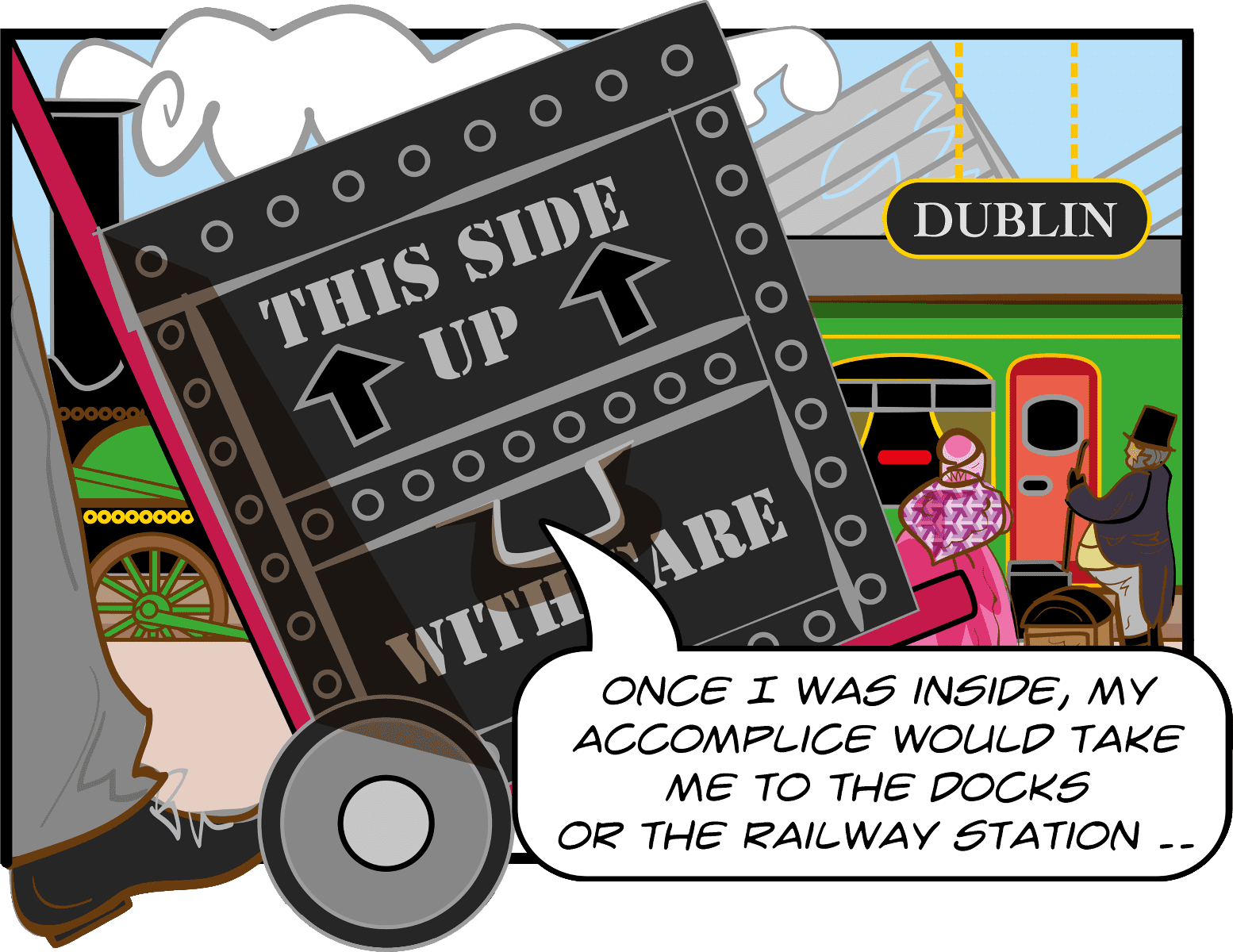 His crafty plan was to create a specially rigged luggage trunk that had springs which allowed him to open it from the inside. He added air holes and would climb inside with a little food and water and have his friends mail him from Liverpool all the way to Cork and Dublin, meaning a train and ferry journey. While the journey was underway he would wait for the right time and pop out and rob the other luggage on the train, as well as any mail he identified was likely to contain valuables! He would climb back inside his trunk and leave the whole scene completely as he found it, being careful not to ellicit suspicion. Once he arrived at his destination in Cork or Dublin his accomplices would collect him on the other side, leaving the train’s security completely baffled as to how the crime was committed.
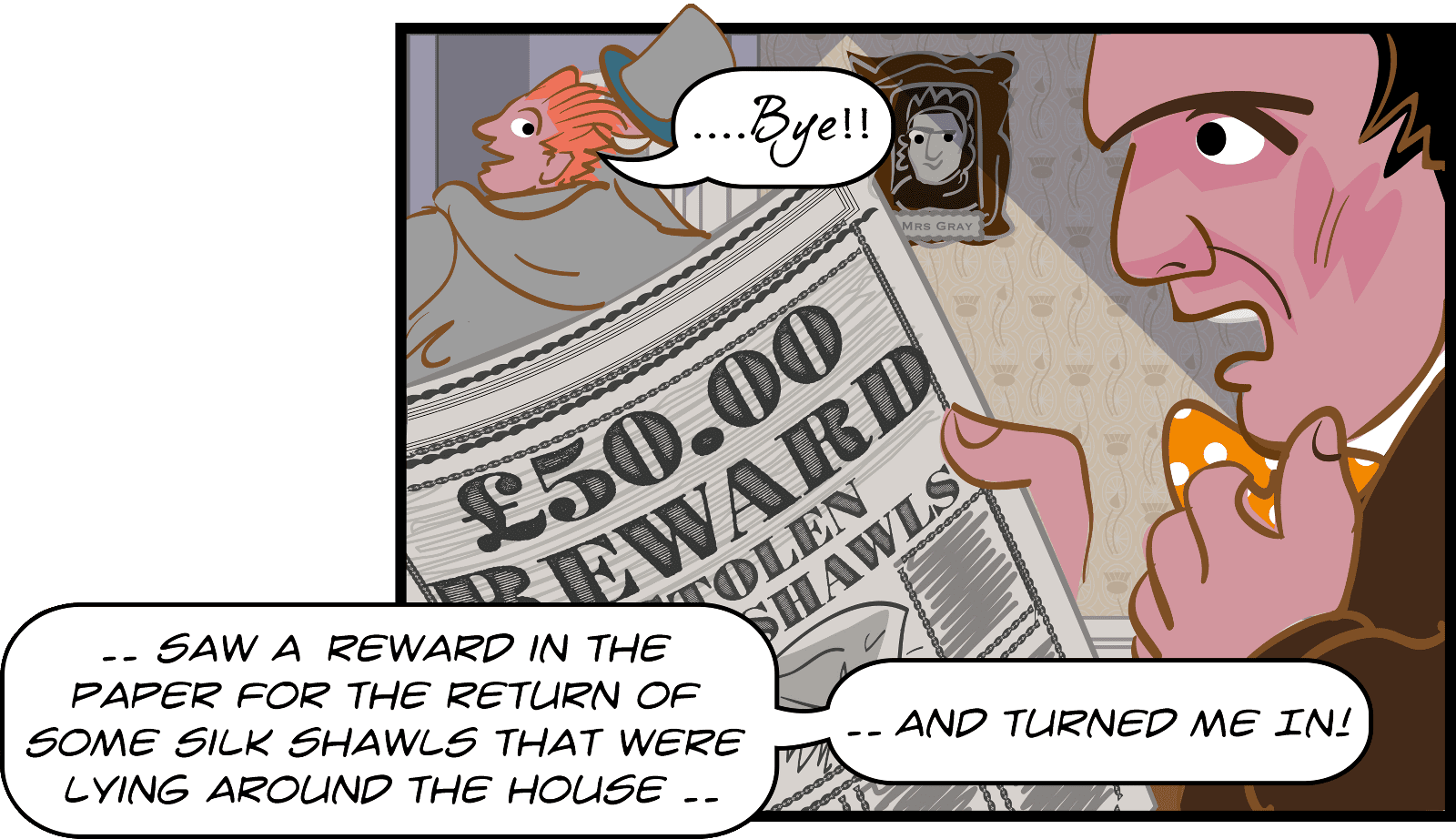 Despite what must have been a cramped and difficult journey the ruse was so successful that he made a number of journeys and each time came away with profitable hauls. On one occasion he hit the jackpot when a luggage trunk contained fine silver spoons which were worth over £2000, a lot of money in the 1860s. Even with having to pay accomplices on both sides of the Irish Sea, he was able to live a good life in Manchester, renting a large house with many of the finer things.
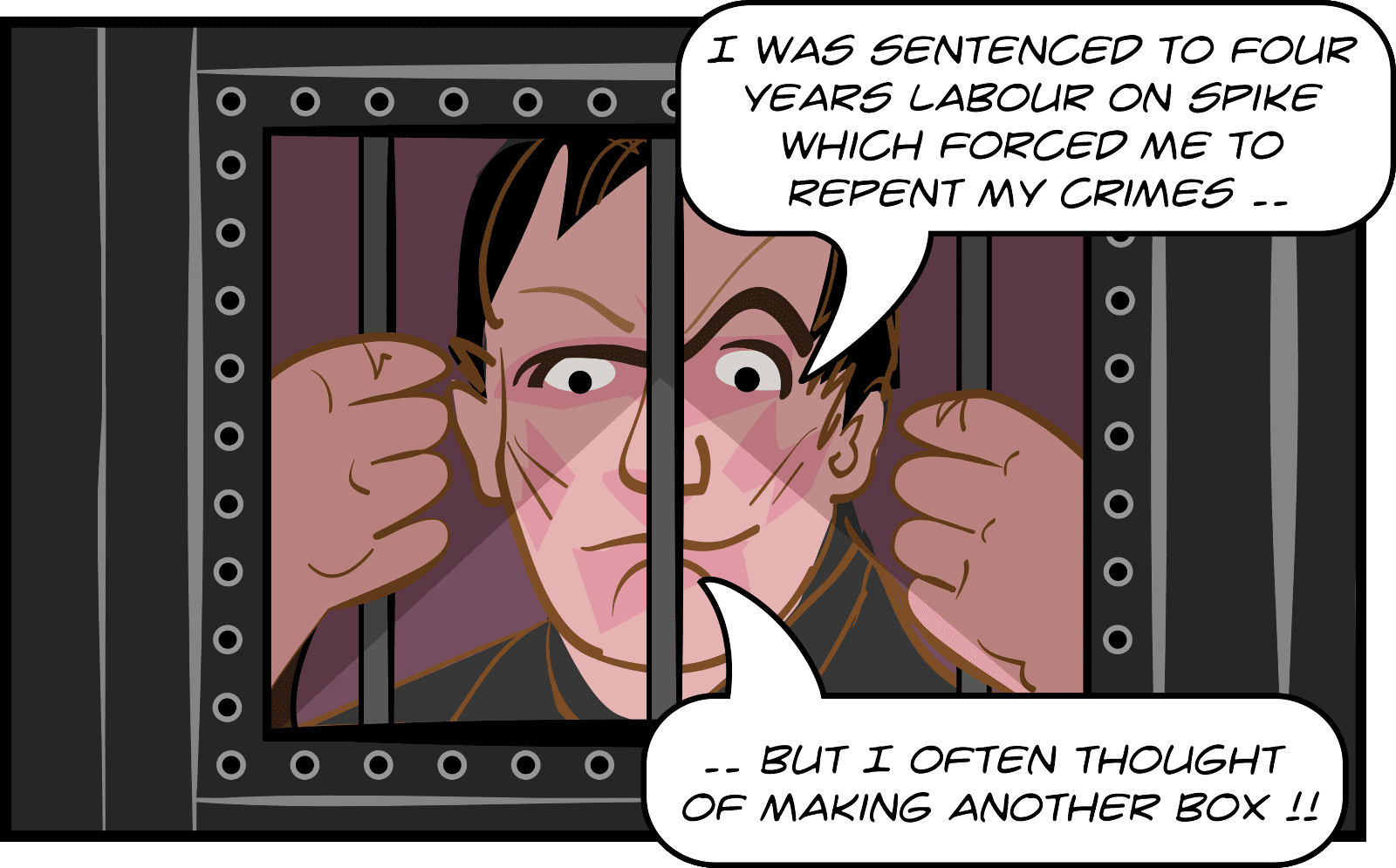 He was sent back to Ireland and Cork in a very different box, this time to spend 4 years in Spike Island’s cells. After his release, he was never heard from again, so perhaps he had enough of cramped spaces after his time at Spike. His well-thought-out crime made the headlines right across Britain and Ireland, and he must have endured a lot of ribbing from his fellow inmates at Spike Island Cork.
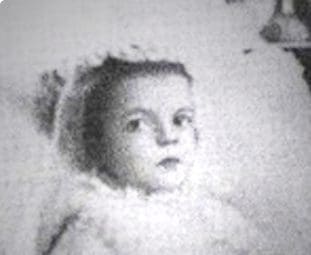 Little Nellie – Ellen Organ was born in Waterford in 1903 but moved to Spike Island with her soldier father and family when he was stationed on Spike Island. She displayed a precocious spiritual awareness as soon as she could speak, constantly displaying her religious knowledge and spiritual passion. She adored the walk along Spike Islands shoreline to the village church which she made often with her mother on the way to mass.
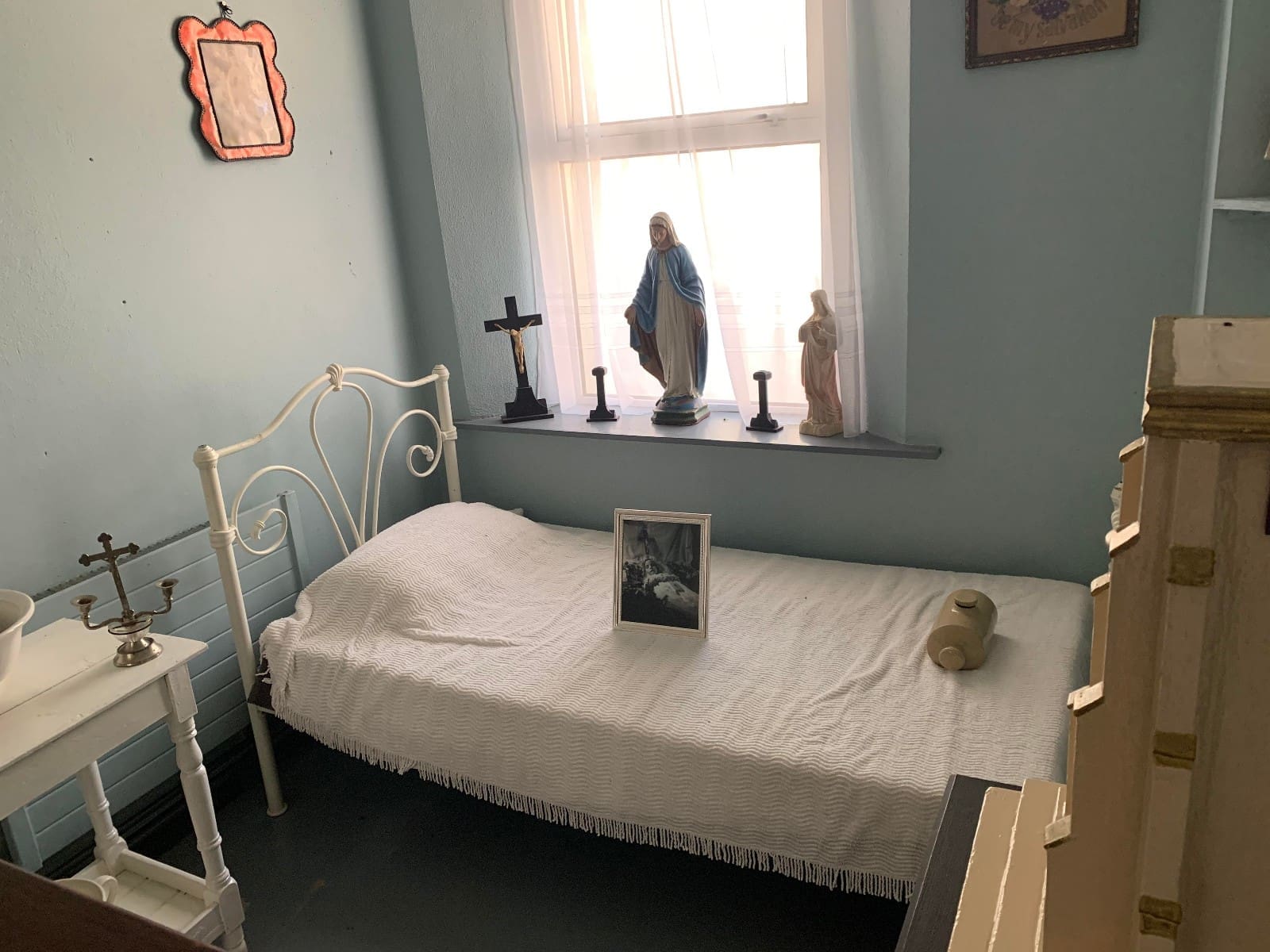 She began to express her adamant wish that she receive her first Holy Communion. At the time children received their Holy Communion at the age of 12 and younger that this age was unheard of, let alone at the age of 4. The sisters were well aware of this but so moved they contacted the local Bishop, who despite there being no precedent was utterly convinced that Ellen was ready to receive Holy Communion. At age 5 her wish came through and she remains the youngest ever recorded recipient of Holy Communion.
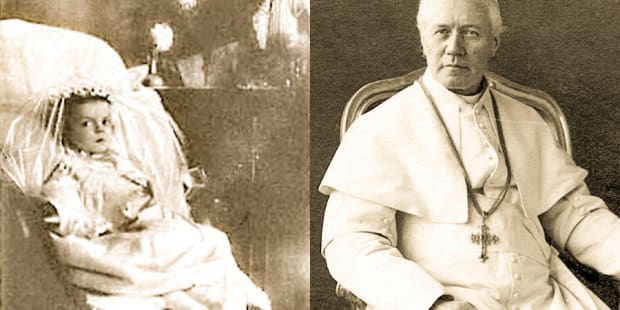 The story of this Irish child would reach Pope Pius X in Rome soon after her death, and the Pope had in private contemplation been considering lowering the age of Communion for children from 12. On hearing the story of ‘Little Nellie’ he exclaimed “This is the sign I have been waiting for”, and at what he saw as a direction from God he duly lowered the age of Communion for all Catholics from 12 to 7. Queen Isabelle of Spain requested one of her relics be sent to her, as did a prestigious French family with royal connections.
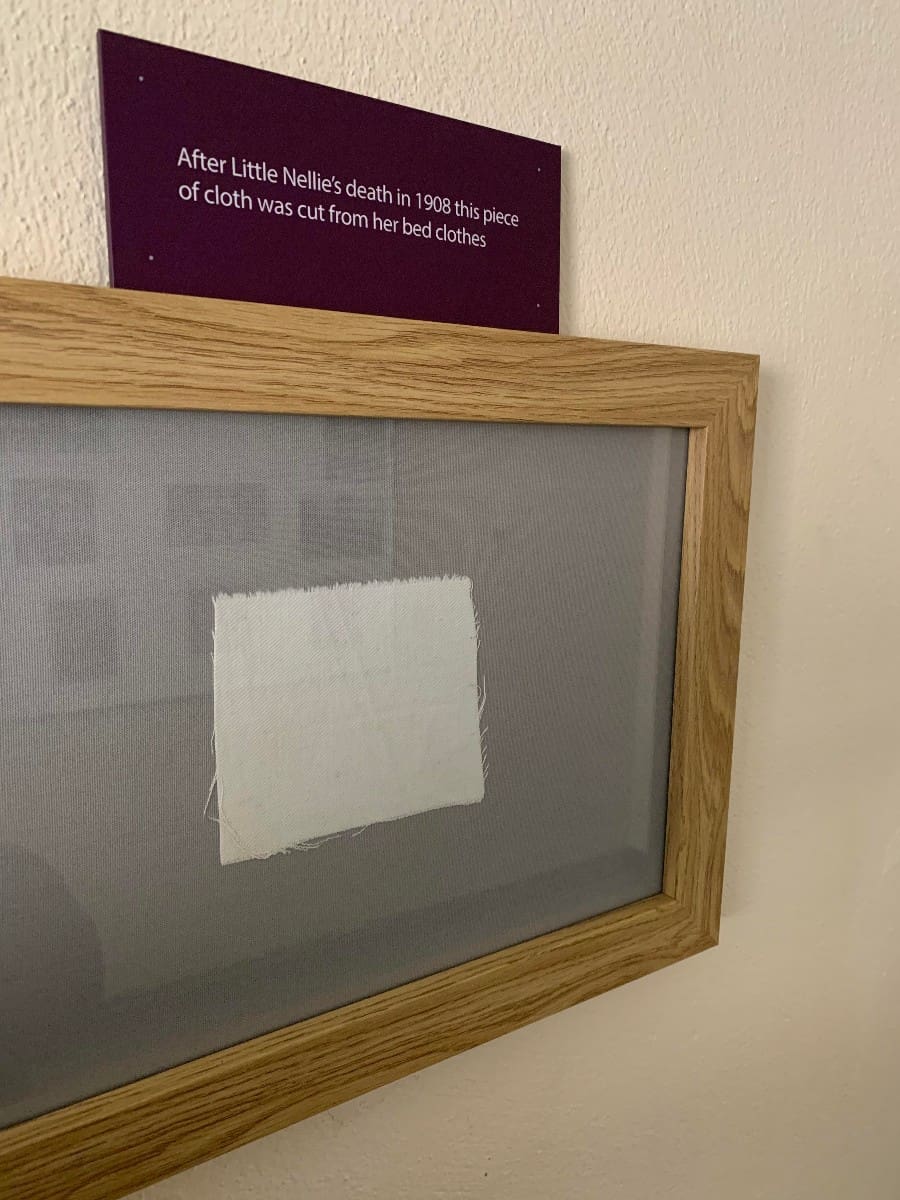 The story of Little Nellie is now back before the council of Rome, who are considering her for Sainthood over 110 years after Pope Pius X asked for it, but his passing meant it did not happen at the time. Since then other miracles have been attributed to Little Nellie, as she is known, as people praying to and visiting the grave of this influential child have reported.
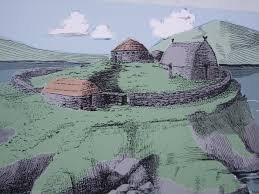 There is compelling evidence suggesting the existence of an early monastic site on Inis Píc. This is noted in the Annals of the Four Masters, compiled between 1632 and 1636, where one of the annals mentions the abbot ‘Sealbhach of Inis Píc’ in 821. Further evidence comes from Monasticon Hibernicum, published in 1786, which names St. Mochuda as the founder of a monastery. According to this account, he placed three brothers with the bishop, alongside twelve of his disciples, within the monastery.